|
1
|
- Jennifer Jeffers, University of Notre Dame
- Professors Shelly L. Miller and Mark Hernandez
- University of Colorado at Boulder
- August 6, 2004
|
|
2
|
- Bioaerosols, aerosols containing particles of biological origin, can
cause infectious diseases and are of concern in dealing with indoor air
pollution and bioterrorism.
- Air filters have been designed to remove and inactivate particles,
including bioaerosols, from indoor air.
- Ultraviolet germicidal irradiation (UVGI) is one possible method of
controlling contamination in rooms and in buildings’ heating,
ventilation and air conditioning (HVAC) systems by inactivating the
bioaerosols.
|
|
3
|
- Two methods of engineering controls were used:
- In-room air filtration
- Ultraviolet germicidal irradiation (UVGI)
- Three parts of project:
- Air filters
- Upper-room UVGI
- In-duct UVGI
|
|
4
|
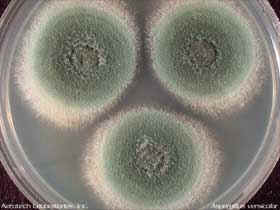
- Parts 1 and 2: Aspergillus versicolor, fungus, size: 5-7µm, spores can
be used as subpathogenic surrogates
- Part 3: Mycobacterium parafortuitum, bacteria, size: 1µm, has a
structure and environmental sensitivity similar to the bacteria that
causes tuberculoses
|
|
5
|
|
|
6
|
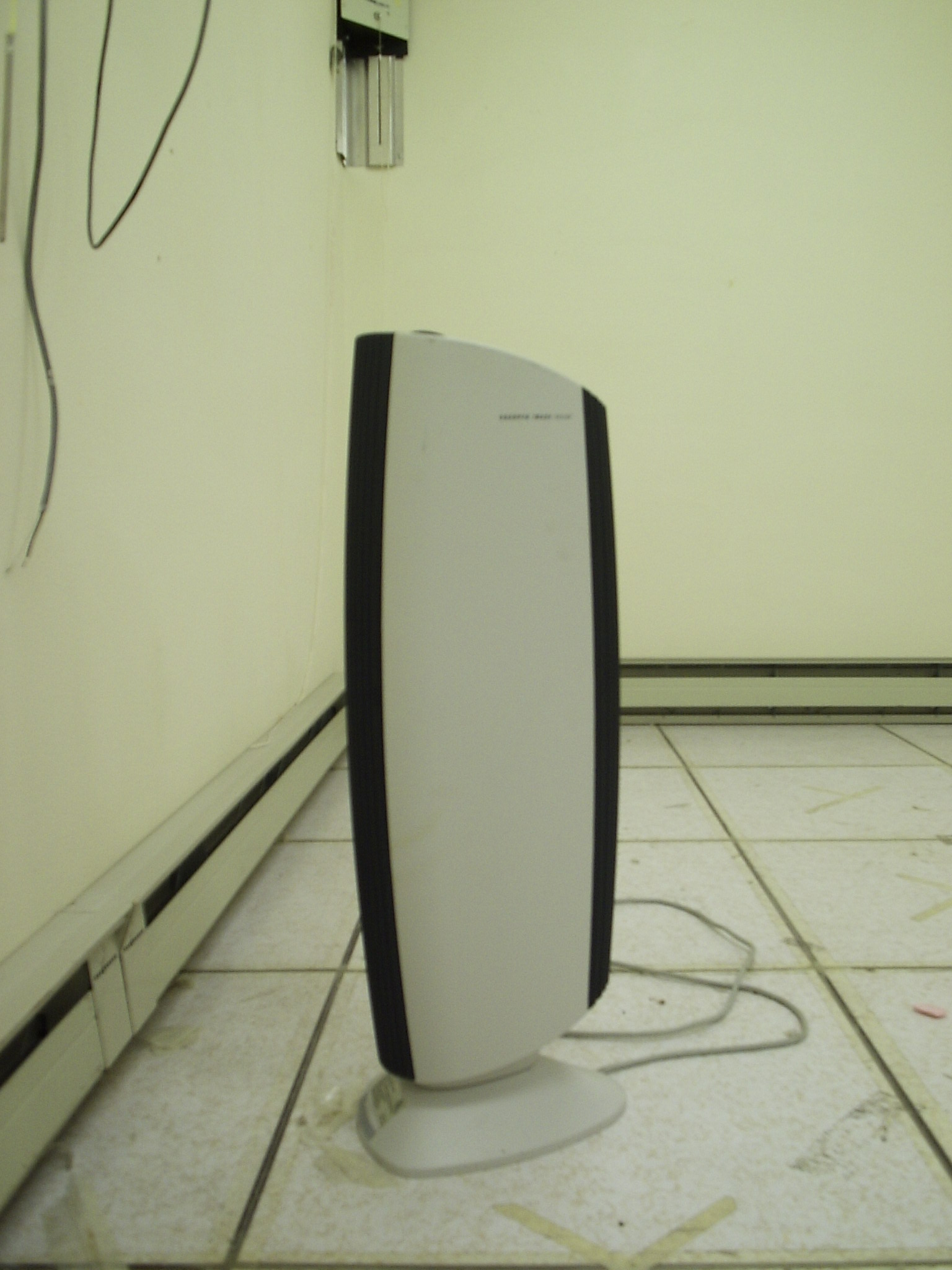
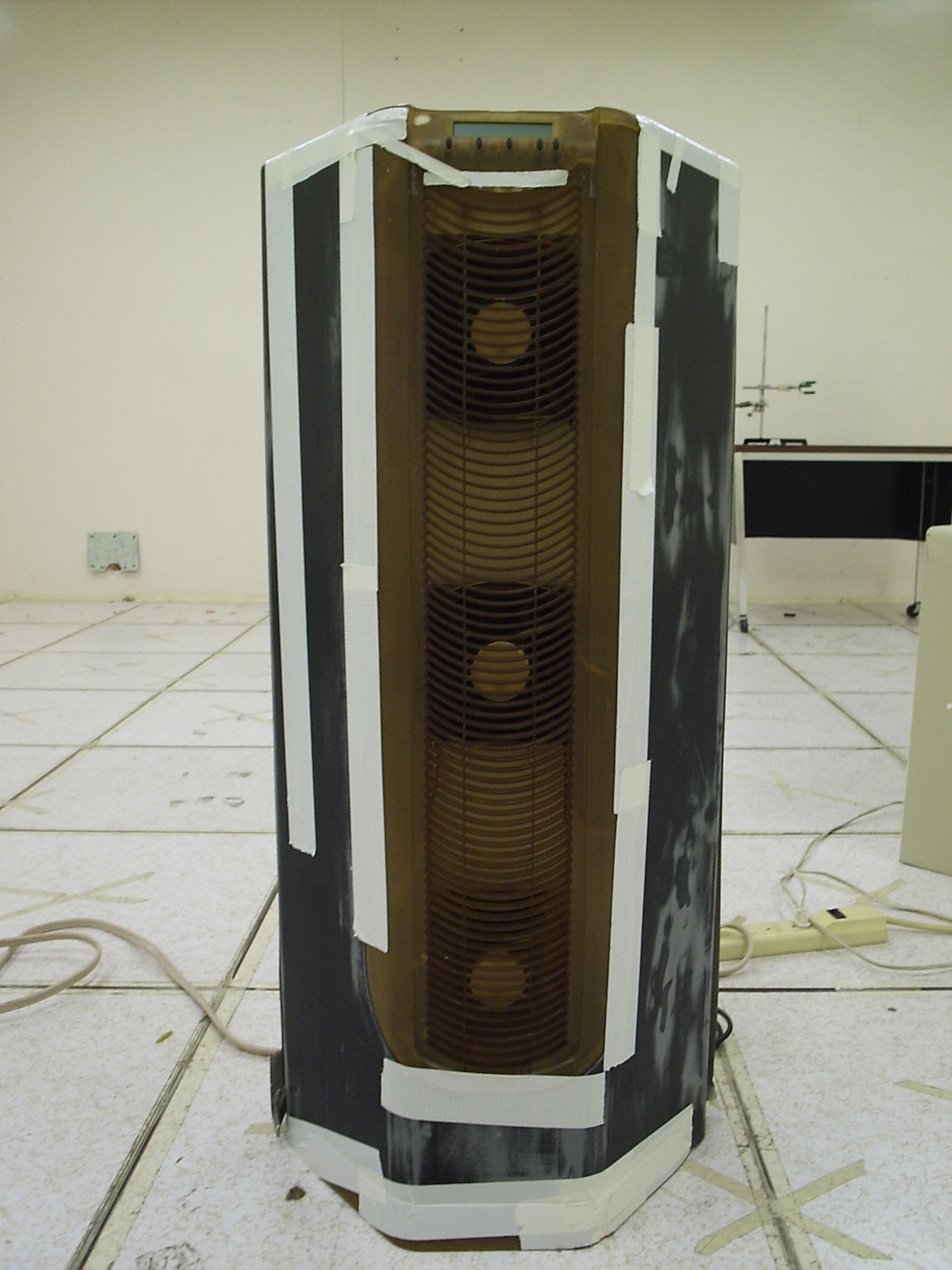
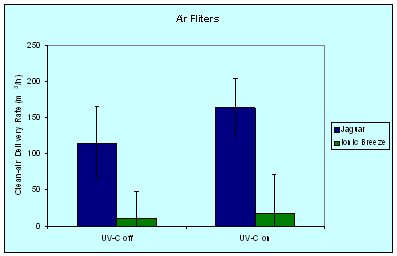
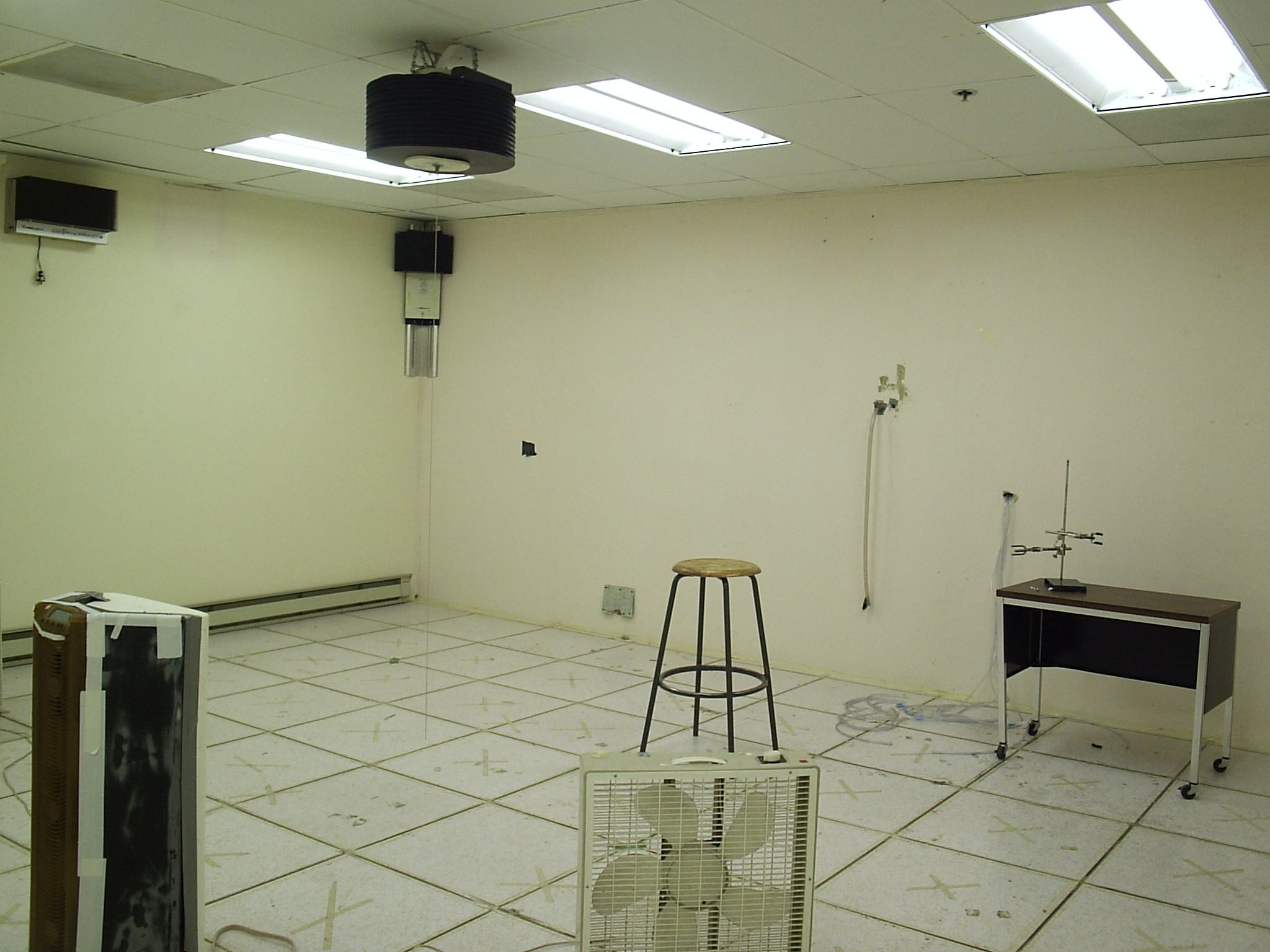
- Objective: determine the effectiveness of air filters at removing and
inactivating Aspergillus versicolor
- Two types of air filters were used- Ionic Breeze (commercially
available) and Jaguar (prototype) both containing UV-C lamps
- Ionic Breeze claims to have a clean-air delivery rate (CADR) of 46 m3/h,
weighs 4.8 kg and costs $500
- Jaguar claims to have a CADR of 425 m3/h, weighs 12 kg and
has no associated cost
|
|
7
|
|
|
8
|
|
|
9
|
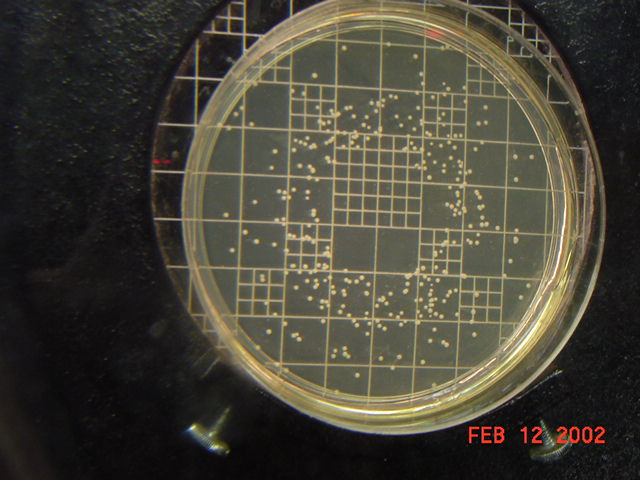
- Aspergillus versicolor was aerosolized for 75 minutes and 6 samples were
collected at 30 minute intervals for 90 minutes following the
aerosolization (2 samples per time period).
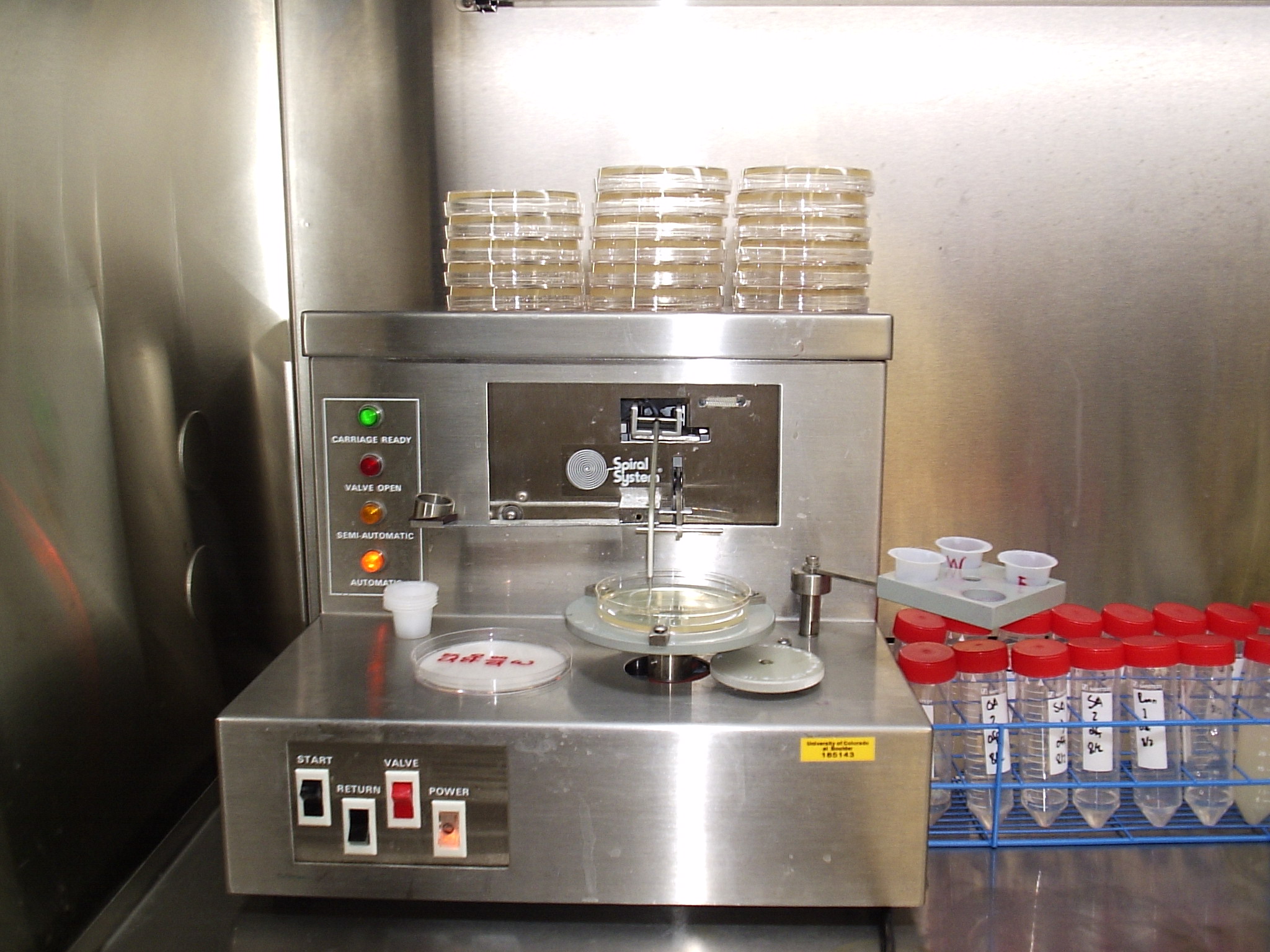
- Each air sample was plated on 3 Petri dishes of malt extract agar and
incubated for 7 days at 24ºC
- The plates were then counted to determine the number of colony forming
units (CFU), those that are able to reproduce
|
|
10
|
|
|
11
|
|
|
12
|
- Objective: to determine the effectiveness of upper-room UVGI on
inactivating Aspergillus versicolor
- 5 UVGI lamps located in the room were used: 4 in each corner and one in
the center of the ceiling
- Corner lamps: 36 W each
- Center lamp: 72 W
|
|
13
|
|
|
14
|
|
|
15
|
- Aspergillus versicolor was aerosolized for 75 minutes and 6 samples were
collected at 30 minute intervals for 90 minutes following the
aerosolization (2 samples per time period).
- Each air sample was plated on 3 Petri dishes of malt extract agar and
incubated for 7 days at 24ºC
- The plates were then counted to determine the number of colony forming
units (CFU), those that are able to reproduce
|
|
16
|
|
|
17
|
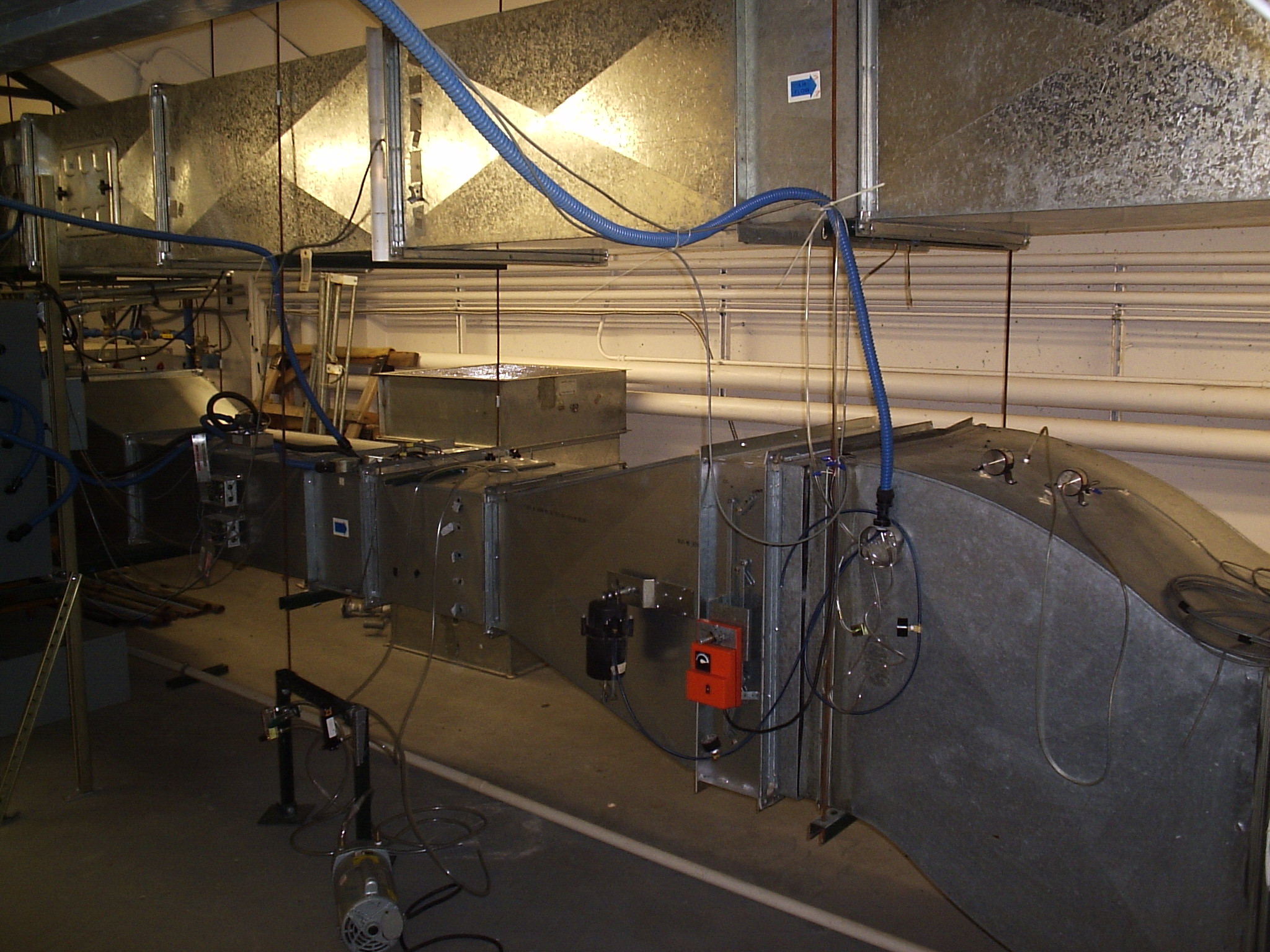
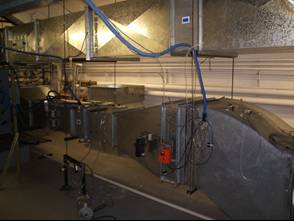
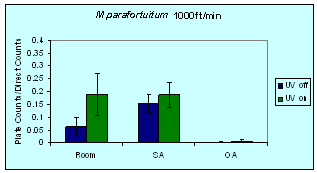
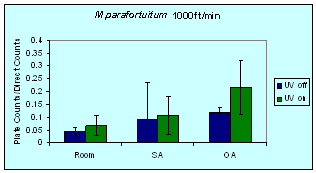
- Objective: determine the effectiveness of in-duct UVGI on inactivating
Mycobacterium parafortuitum aerosolized from the outdoor air intake of
the HVAC system
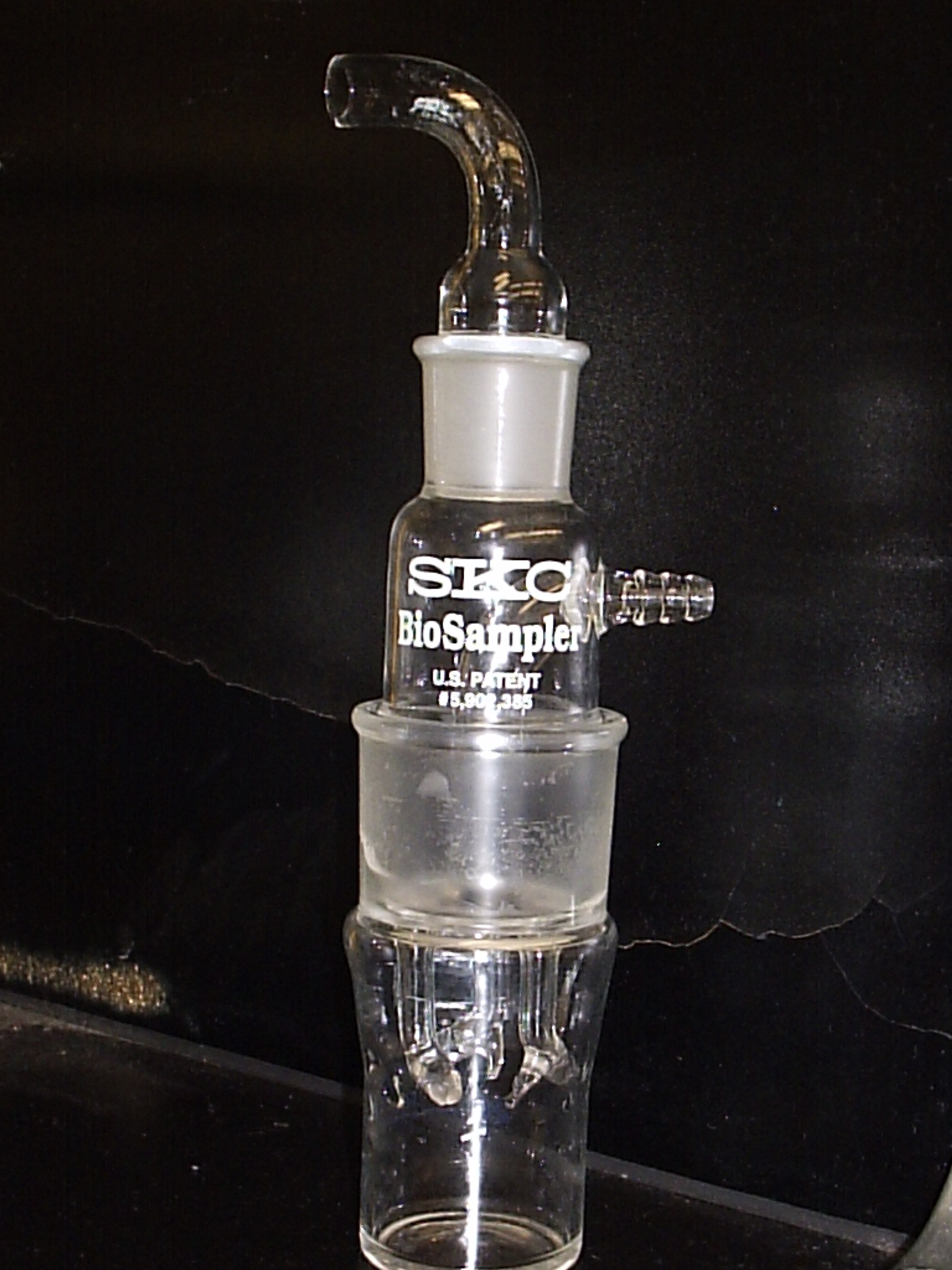
- Three sampling locations: outdoor air duct, supply air duct and in the
room with 2 BioSamplers in each location
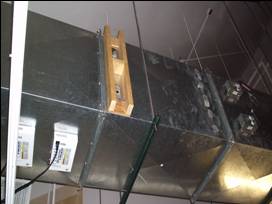
- Three UV lamps 20 inches in length were placed in the supply air duct 12
inches apart
- UV intensity- 5 inches from the bottom of the duct: 1.50 µW/cm2 (StDev.
0.20) and 19 inches from the bottom of the duct: 1.13 µW/cm2
(StDev. 0.11)
- Distance from UV lamps to supply air duct BioSamplers was 3.8 m
|
|
18
|
|
|
19
|
- Velocities of the air in the ductwork were calibrated to achieve
velocities consistent with typical air flows and isokinetic air
sampling.
- 100% outdoor air was used
- Isokinetic (“equal-velocity”) Sampling:
- nozzle tip opening (An) and sampling flow rate (Qm)
must be adjusted to obtain a velocity vn=Qm/An
equal to the gas stream velocity (vs) at the point of
sampling
- Shrouds were made for the BioSamplers using these calculations
|
|
20
|
|
|
21
|
|
|
22
|
- Mycobacterium parafortuitum was aerosolized from the outdoor air intake
for 90 minutes and the air samples were collected at the 3 locations
during the last 30 minutes of aerosolization
- The samples were plated on trypic soy agar Petri dishes and incubated
for 2-3 days at 38°C
- The plates were then counted to determine the CFU concentration
- Microscope slides made with DAPI stain were used to determine the total
number of bacteria (live and dead)
|
|
23
|
|
|
24
|
|
|
25
|
- Part 1: The Jaguar prototype was more effective at inactivating A.
versicolor than the Ionic Breeze, even though in a 89 m3
room, neither air filter was as effective as the manufacturer claimed
- Part 2: Upper-room UVGI can inactivate A. versicolor in a 89 m3
room, but not at the same rate as bacteria
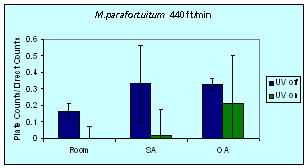
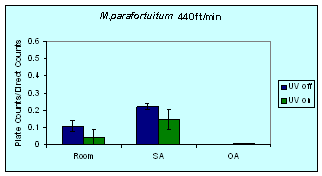
- Part 3: In-duct UVGI is effective at inactivating M. parafortuitum at
low air velocities, while it is not effective at high air velocities.
|
|
26
|
- Elmira Kujundzic for helping design and run the in-room and in-duct
experiments and with all the data analysis
- Fatimah Matalkah for teaching me all the necessary lab techniques and
letting me participate in her air filter study
- Cody Howard for helping run all the experiments in the test chamber
- Professors Shelly Miller and Mark Hernandez for the opportunity to work
on this project
|
|
27
|
|

 Notes
Notes