|
1
|
- PRESENTED BY:
- KENDRA COLYAR
- UNIVERSITY OF IDAHO
|
|
2
|
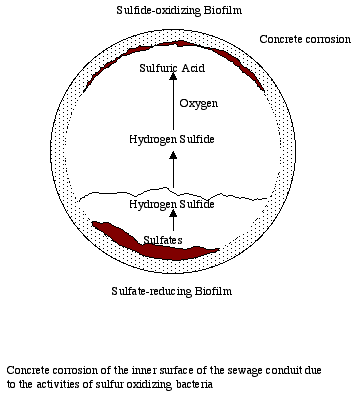
- H2S produced from the wastewater by sulfur-reducing bacteria.
- Absorption of H2S from sewer atmosphere into concrete.
- H2S transformed into H2SO4 by sulfur-oxidizing bacteria, such as Thiobacillus
species. This catalyzes the
deterioration of concrete sewer pipes.
- Corrosion-related bacteria live in biofilms with other species, such as Acidiphilium
(a heterotroph).
|
|
3
|
|
|
4
|
- Determine what environmental conditions result in the worst
- corrosion of concrete pipe.
- Test variables:
- TYPE OF BACTERIA PRESENT:
- Thiobacillus (T) + Acidiphilium (A) VS. T ONLY VS. NO BACTERIA VS.
KILLED BACTERIA (no bacteria and killed bacteria are controls)
- pH:
- pH 8 VS. pH 4 VS. CONSTANT pH 8
- TEMPERATURE:
- 25C VS. 30C VS. 35C
- SULFUR CONCENTRATION:
- 0.5 g/L VS. 1 g/L VS. 5 g/L VS. 10 g/L
|
|
5
|
|
|
6
|
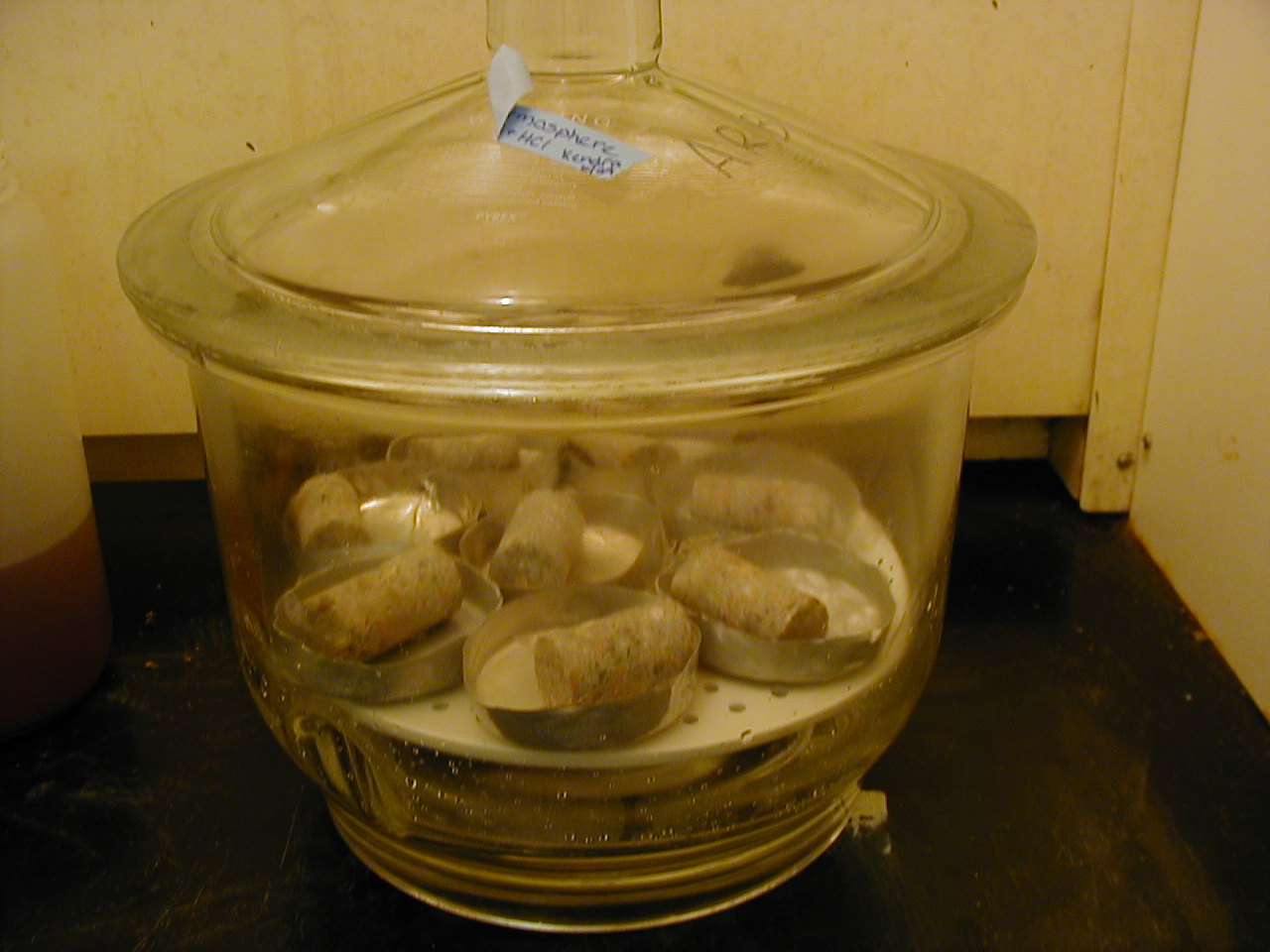
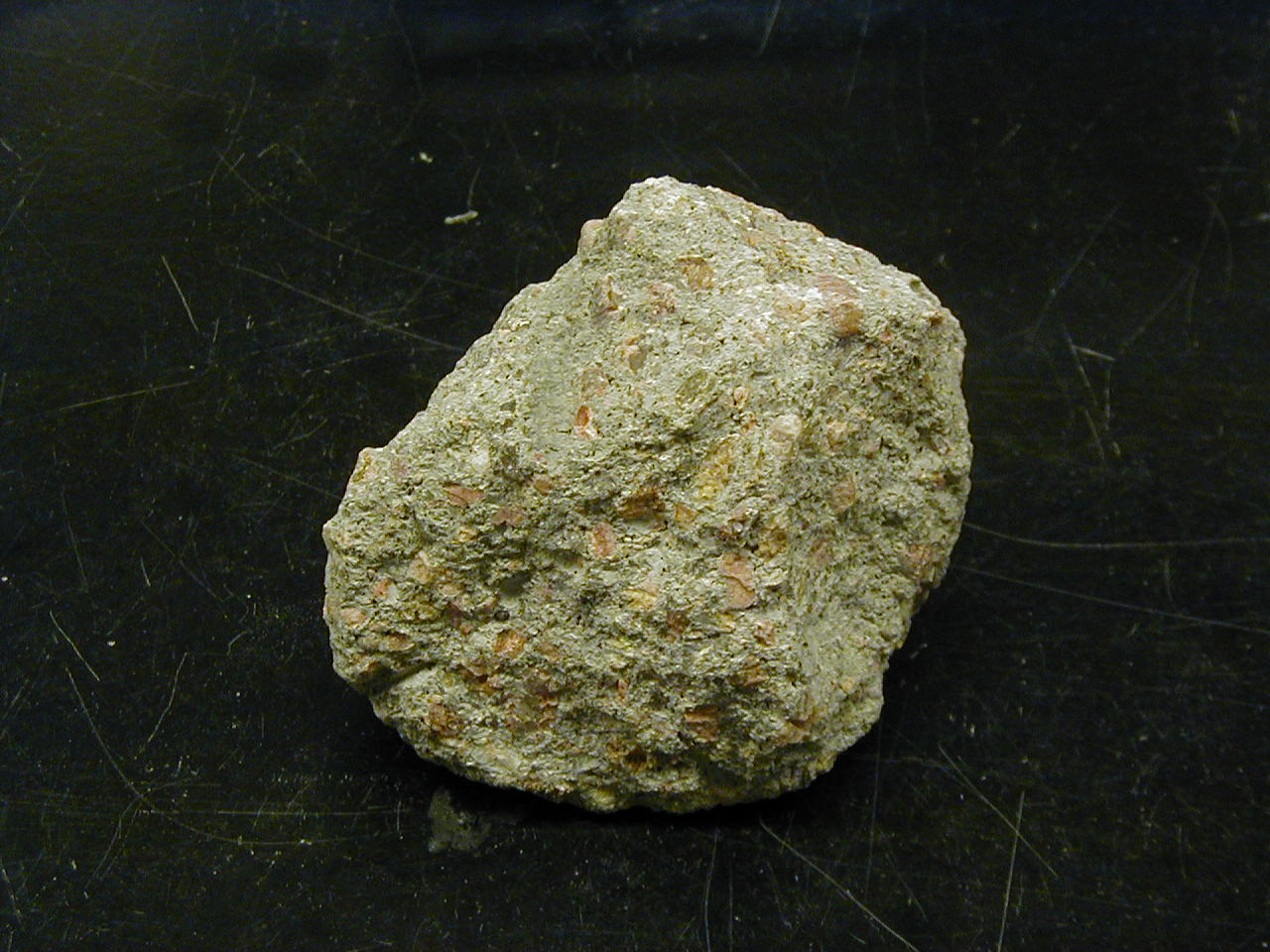
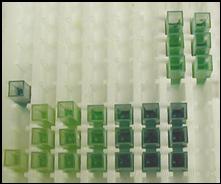
- Crush real concrete sewer pipe into smaller pieces.
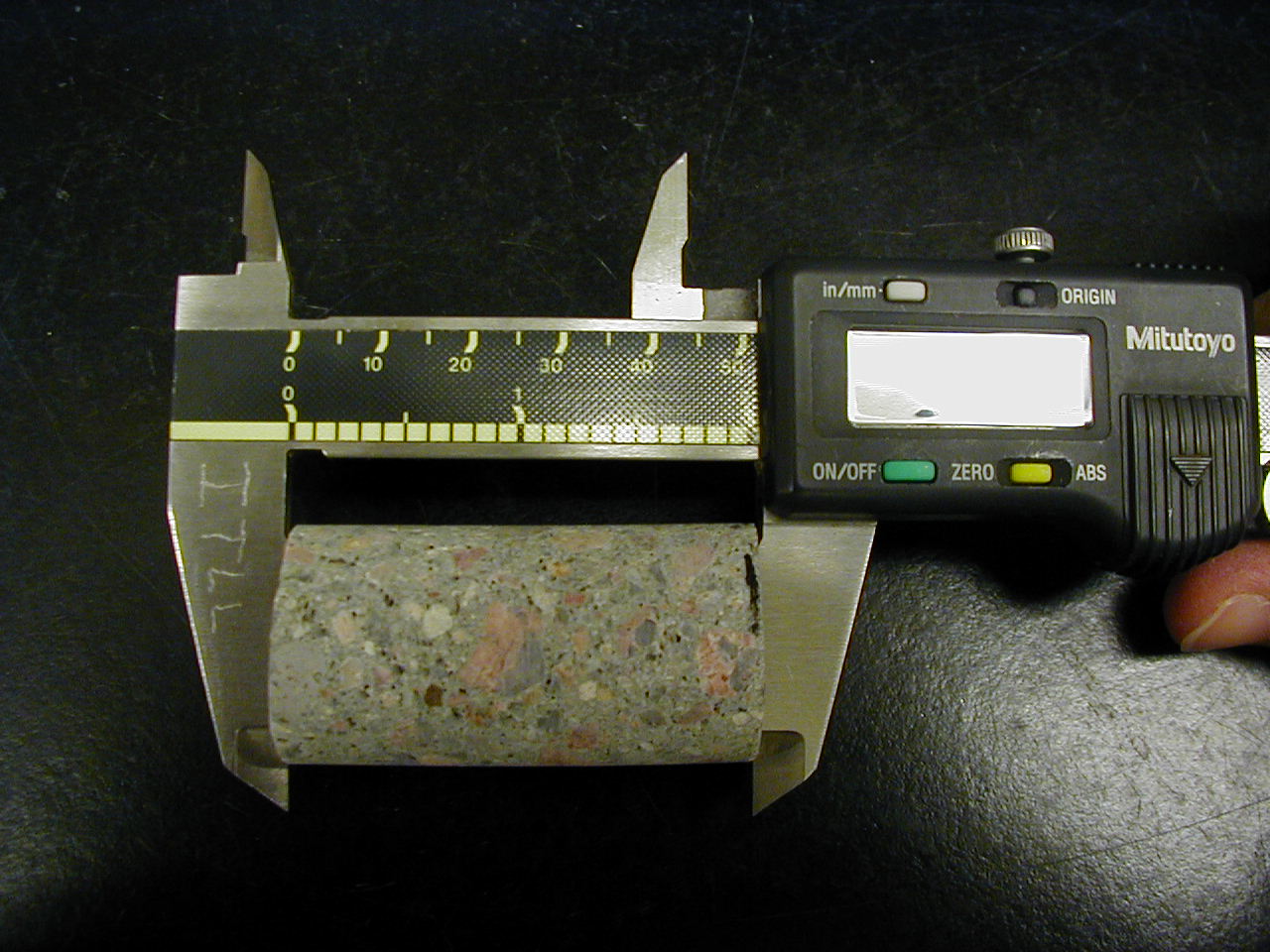
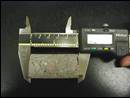
- Wet cut concrete cylinders with hole drill and saw.
- Pre-weigh and measure dimensions of concrete samples.
- Measure corrosion liquid media at end of 10 days. (Biomass, sulfate, calcium, total
organic carbon)
- Post-test liquid media to determine type of bacteria still alive.
- Re-weigh and measure dimensions of concrete after drying.
- Repeat cycle.
|
|
7
|
- pH (daily)
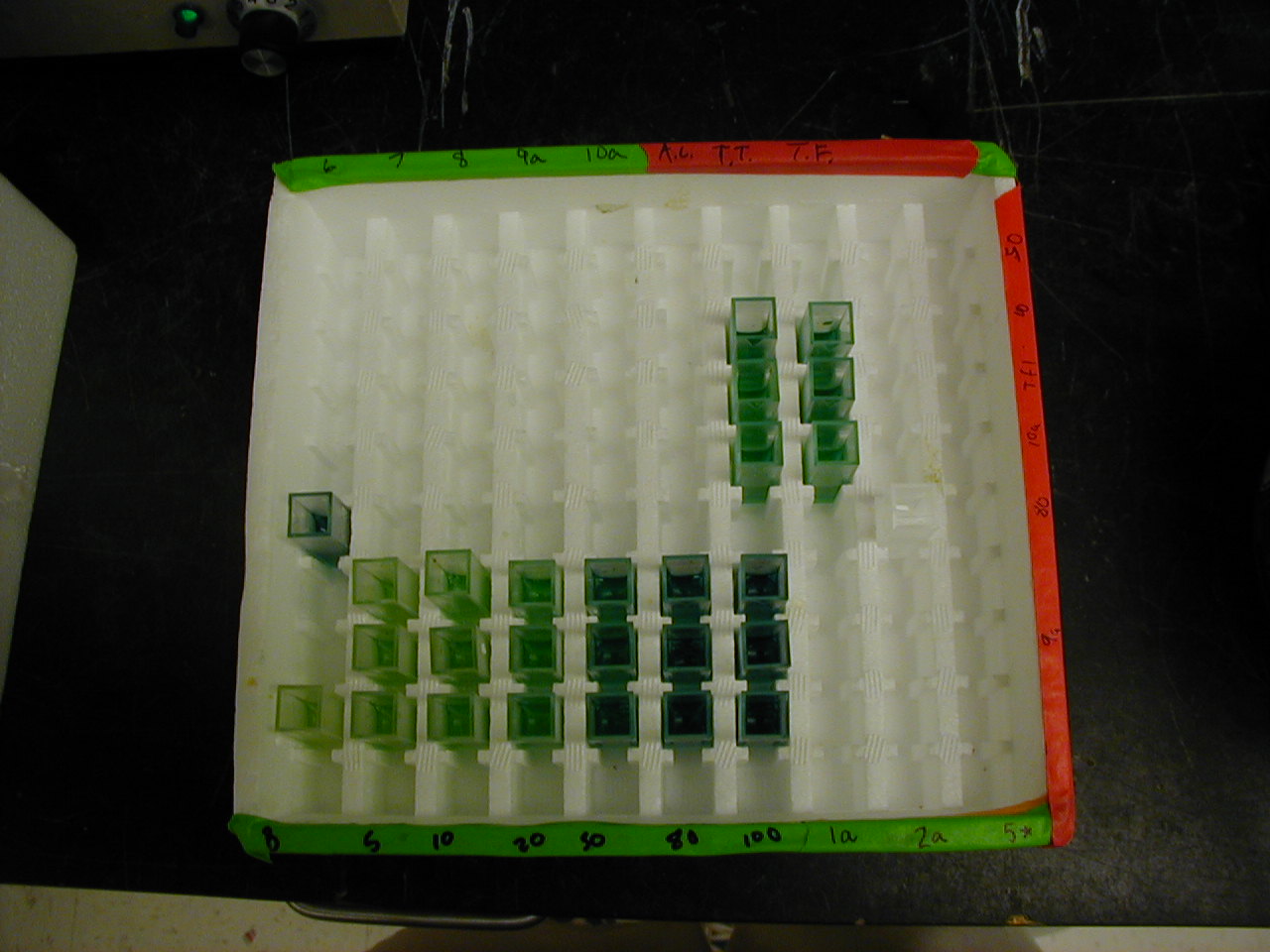
- Sulfate concentration (Day 5 and 10 of cycle in step 2)
- Ionic Chromatography (IC)
- Calcium concentration (Day 10 of cycle in step 2)
- Total Organic Carbon (TOC) (Day 10 of cycle in step 2)
- Viable biomass (Day 0 & 10 of cycle in step 2)
|
|
8
|
|
|
9
|
|
|
10
|
|
|
11
|
|
|
12
|
|
|
13
|
|
|
14
|
|
|
15
|
|
|
16
|
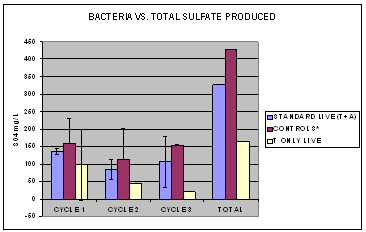
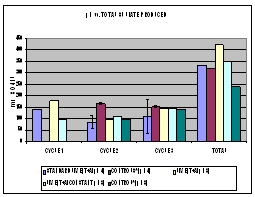
- Sulfate released into solution shows that specimens with bacteria did
not cause significantly more concrete corrosion.
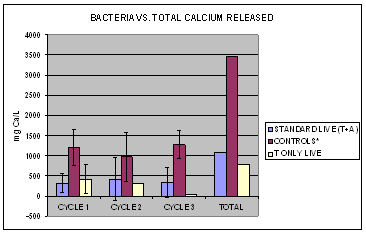
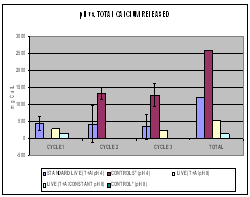
- Calcium production shows that specimens without bacteria released the
most concrete into solution.
- Evidence of live bacteria (contamination).
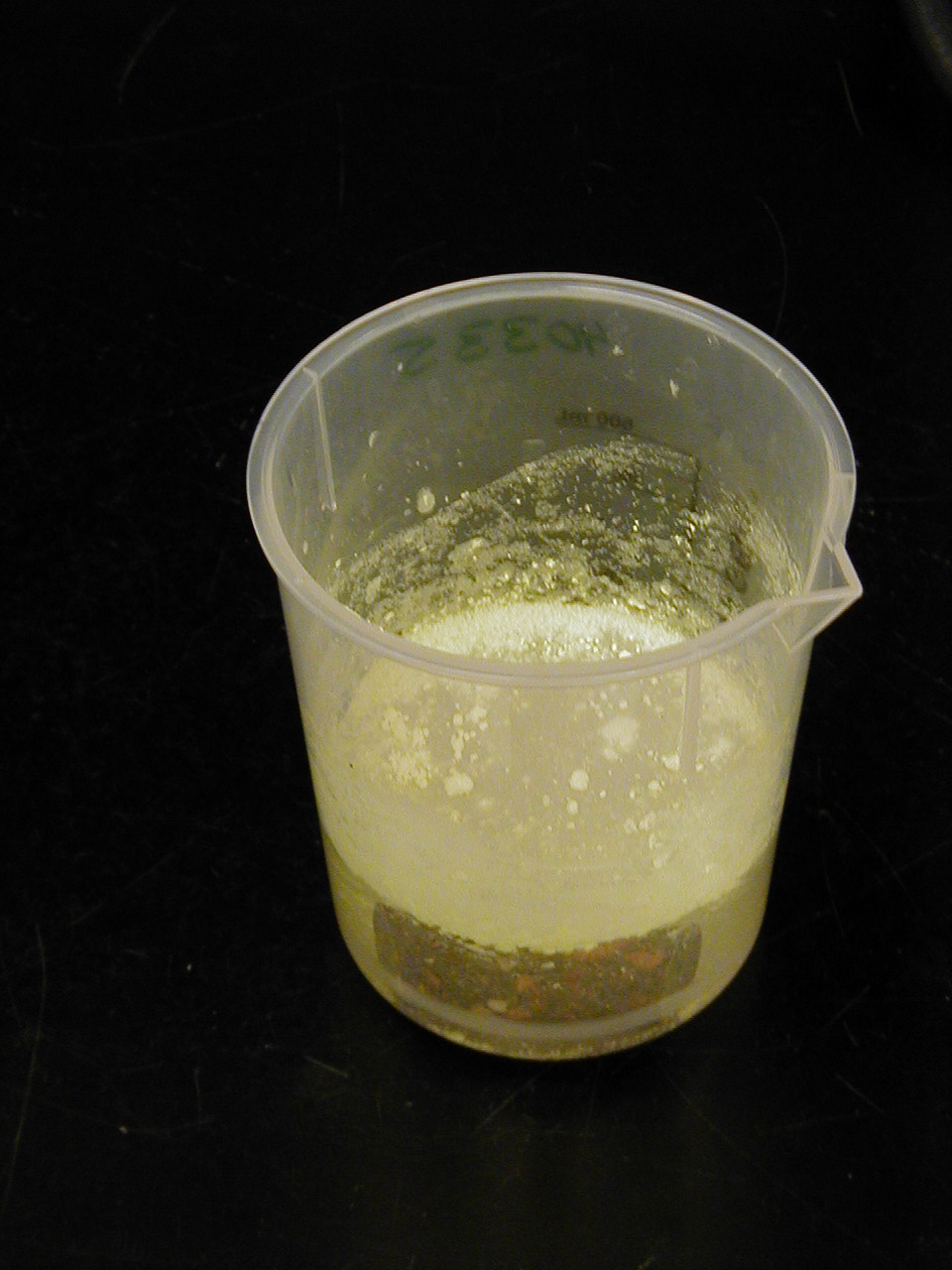
- Precipitates on concrete surface.
- Gypsum and ettringite both contain calcium and sulfate ions.
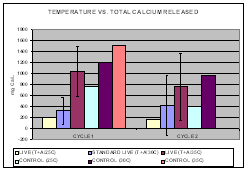
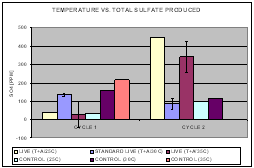
- Higher temperature (35 C) increased corrosion.
- Both with and without bacteria.
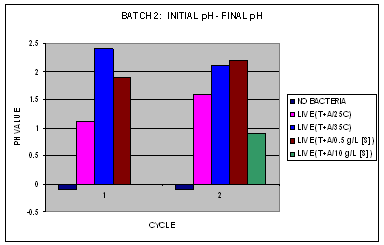
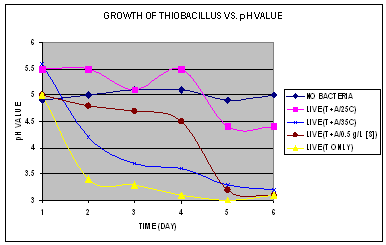
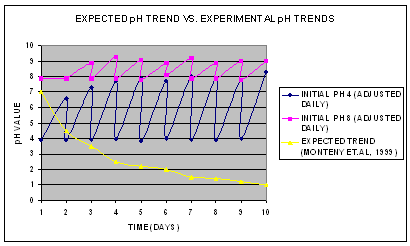
- pH effect not significant.
- pH was not significantly different despite daily adjustment to pH 4 vs.
8
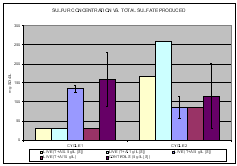
- The true sulfur concentration in the liquid was not represented by the
mass of sulfur added, due to preference to float and stick to beaker.
- This affected the sulfate production, which in turn affected the rate
of concrete corrosion.
- The specimen with the most sulfate and calcium production was 1 g/L
[S].
|
|
17
|
- Add neutralphilic sulfur-oxidizing microbes (NSOM) to the liquid media.
- Monteny paper used NSOM and ASOM.
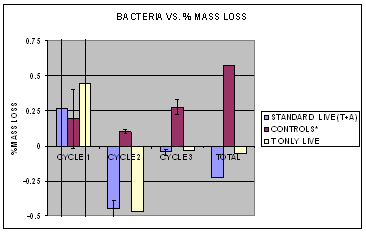
They had 5-11% mass loss, 4% thickness loss, and pH decreased to
1 vs. our experimental results.
- Determine a method to separate surface precipitates (gypsum, ettringite,
etc) from the concrete.
- Try longer corrosion liquid media period (more than 10 days before
drying).
- Find a method to kill bacteria in the abiotic controls.
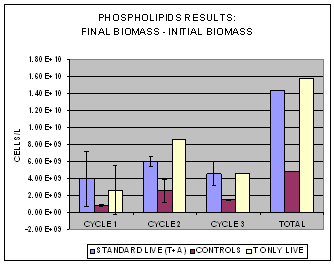
- Day 10 liquid samples showed live bacteria based on phospholipids
despite biocide 1 g/L glutaraldehyde and/or 5 g/L sodium azide
addition.
- Alternative: Autoclave concrete specimens before use.
- Better sterile techniques to avoid cross-contamination.
- Uninoculated systems were positive for viable biomass.
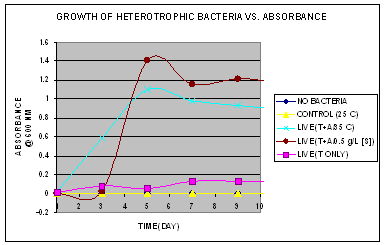
- Bacteria growth in post-tests not always as expected for controls and Thiobacillus
only systems.
- Separate rotary shakers and incubators for all specimens.
|
|
18
|
- ANGELA BIELEFELDT- ADVISOR
- GUADALUPE GUTIERREZ-PADILLA- MENTOR
- HYDRO CONDUIT AND PRESTRESS
- DIVISION- FOR SUPPLYING THE CONCRETE
- GEOLOGY DEPT.- FOR SUPPLYING THE SAW/DRILL TO CUT CONCRETE
|

 Notes
Notes