|
1
|
|
|
2
|
- Inactivates pathogenic microorganisms
- As an oxidant
- Taste/Odor control
- Removal of color- Natural organic matter (NOM)
- Oxidation of inorganic cpds
- Disadvantages
- Formation of disinfection by-products (DBPs) Human and ecological
health concern
|
|
3
|
|
|
4
|
- Humic substances- produced within natural water and sediments by natural
processes
- Heterogeneous-Aromatics/Aliphatics
- Nonhumic substances- carbohydrates, lipids, amino acids/proteins.
- Location and climate drives NOM characteristics
|
|
5
|
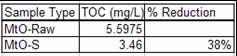
- Total organic carbon (TOC)
- Ultraviolet spectroscopy
- Fluorescence
- Size Exclusion Chromatography
|
|
6
|
|
|
7
|
|
|
8
|
- The character of NOM is being changed with oxidant addition
- Each oxidant will possibly offer a unique fingerprint signature.
- Relative to the oxidant demand.
|
|
9
|
- Evaluate the use of SEC and fluorescence for characterizing NOM changes
after oxidation
|
|
10
|
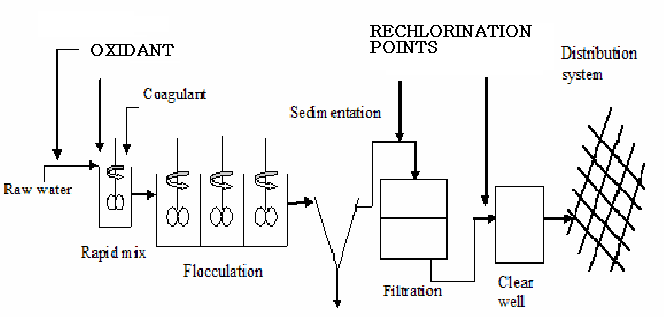
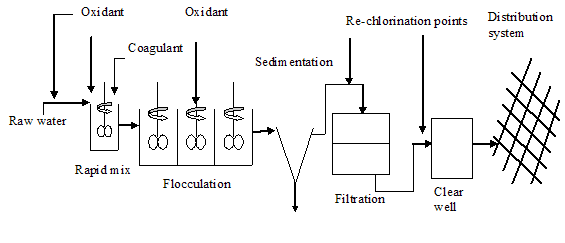
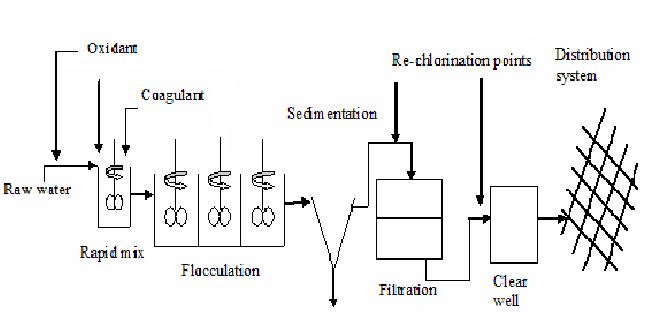
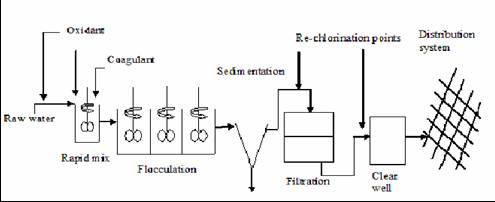
- Bench-scaled jar testing to simulate water treatment.
- Coagulant
- Four represented oxidants
- KMnO4- 1.4 mg/L
- Cl2- 3.0 mg/L
- ClO2 – 3.5 mg/L
- O3- 0.5:1 TOC
- 2 water matrices
- Rapid Mix:
- Floccuation taper 1:
- Flocculation taper 2:
- Flocculation taper 3:
- Sedimentation:
|
|
11
|
|
|
12
|
|
|
13
|
|
|
14
|
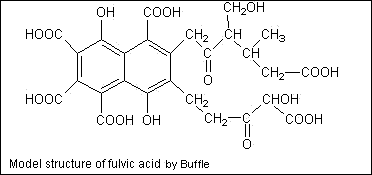
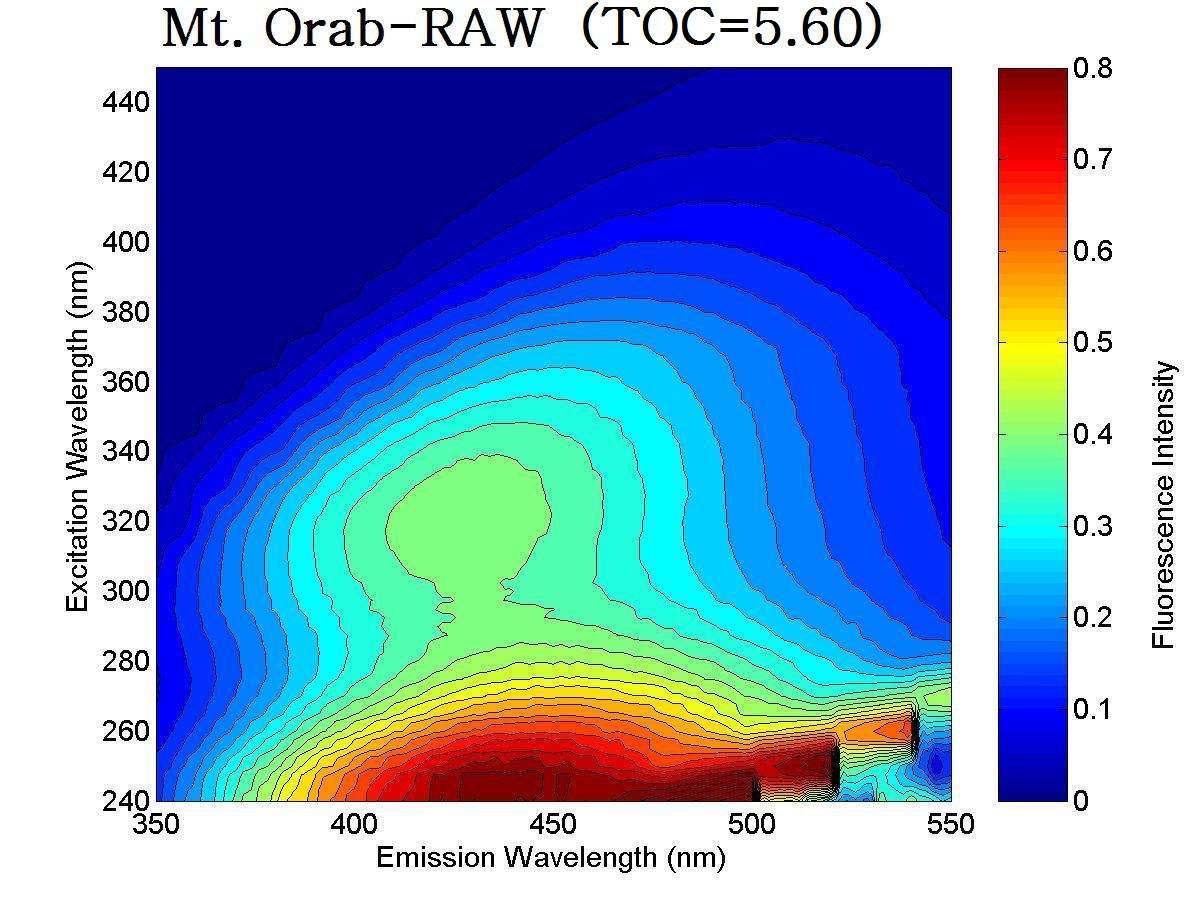
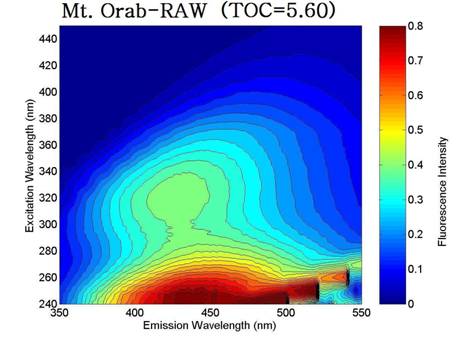
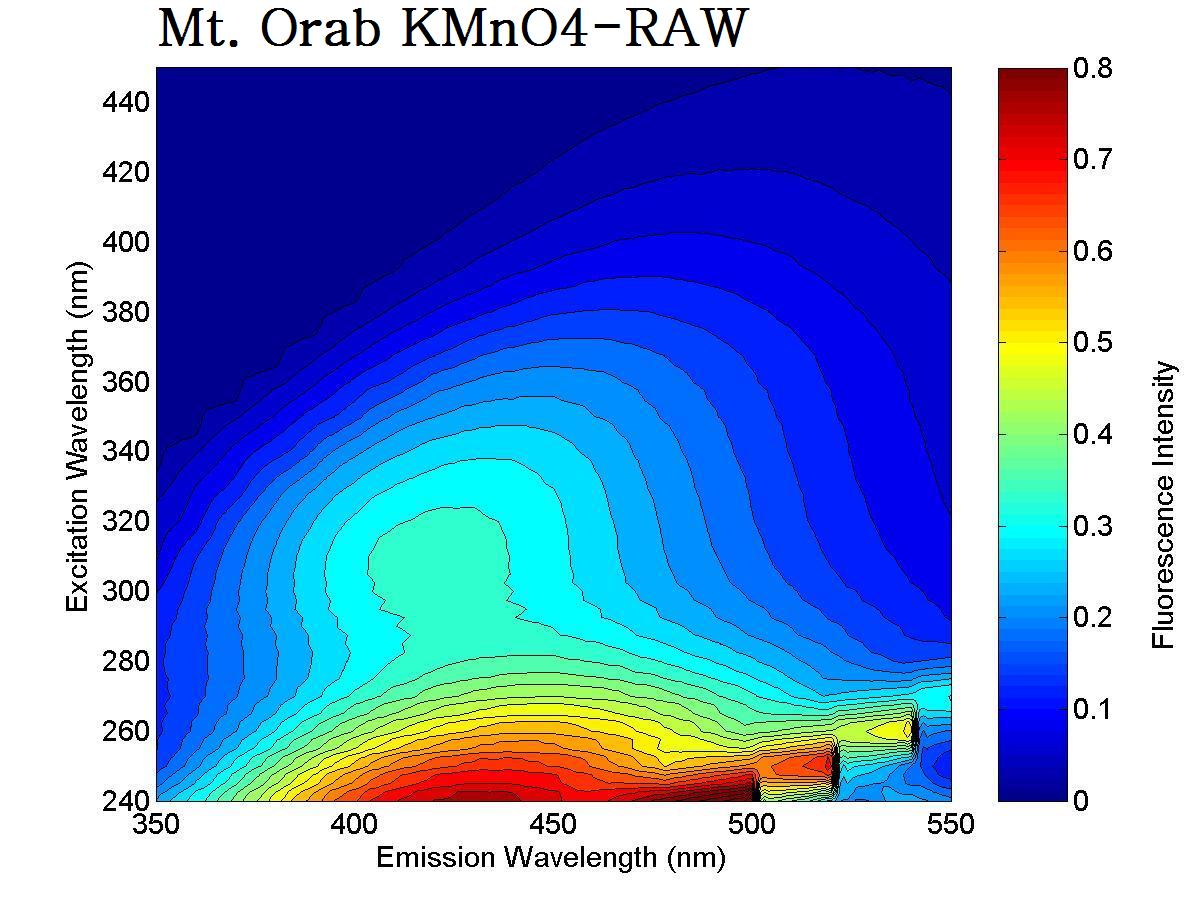
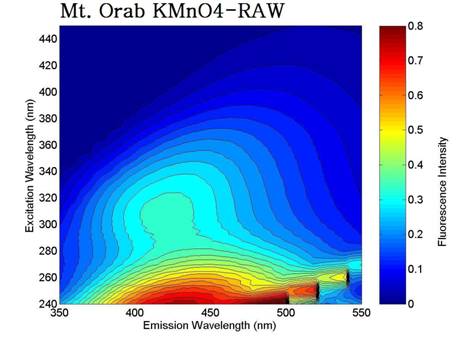
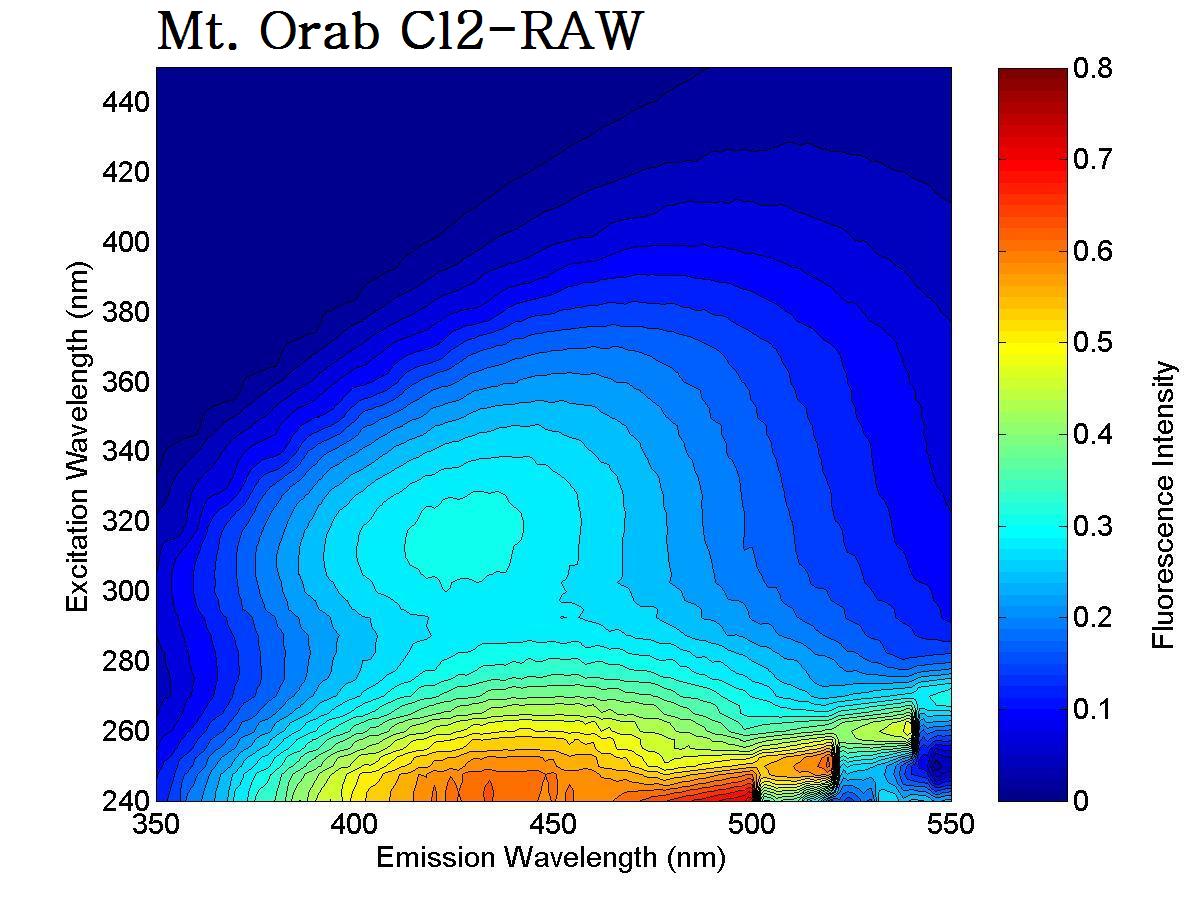
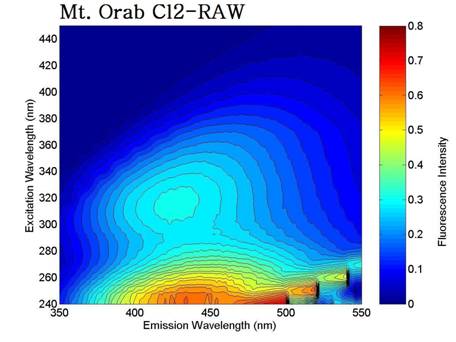
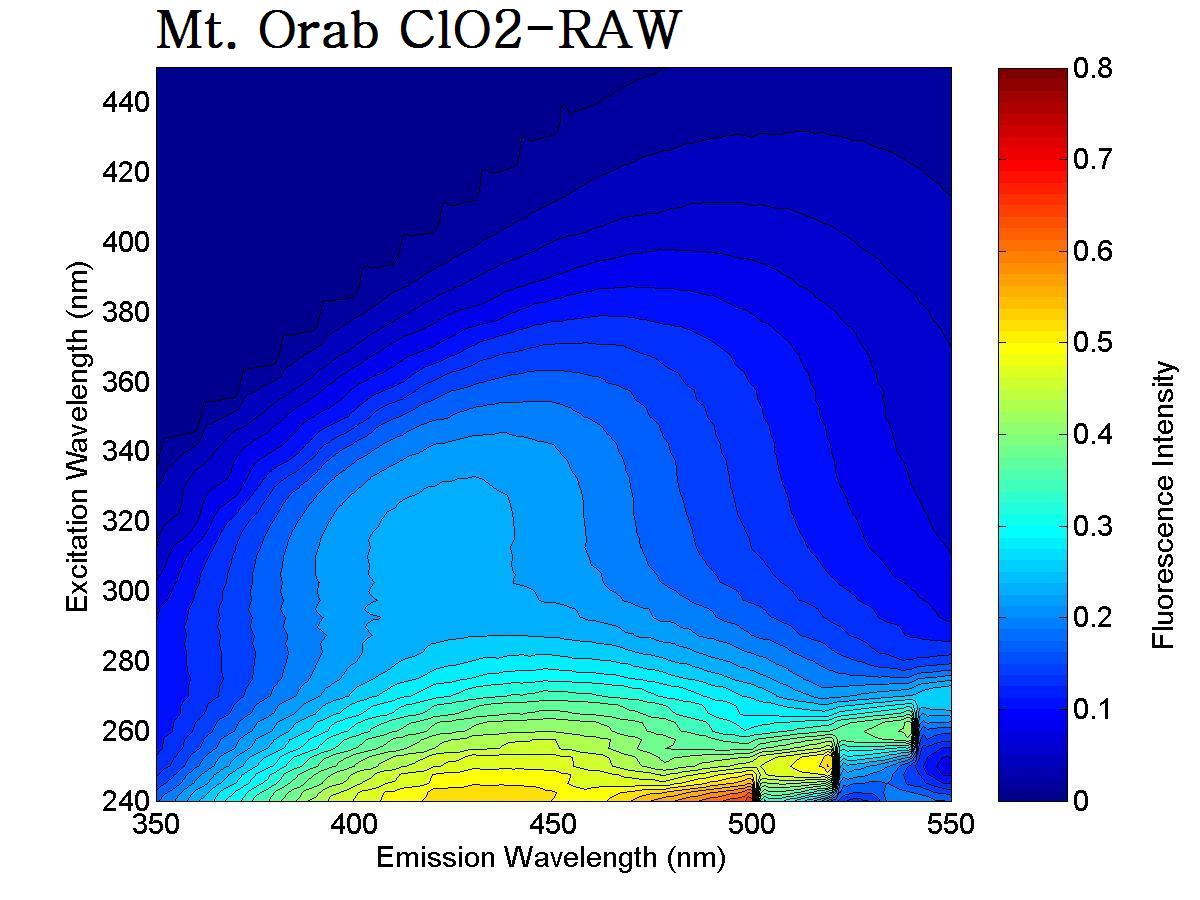
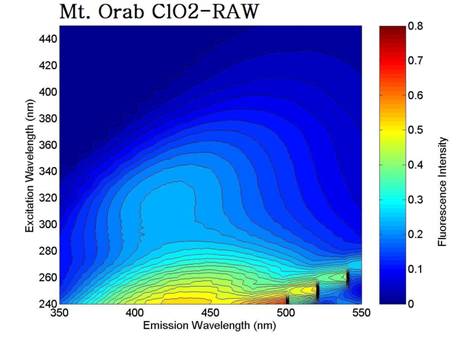
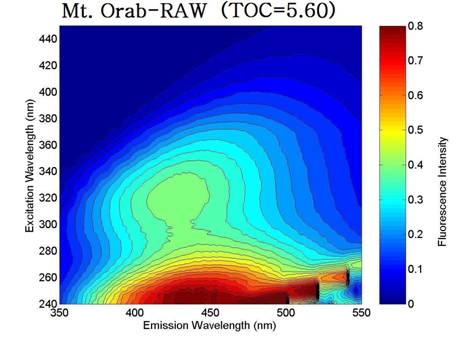
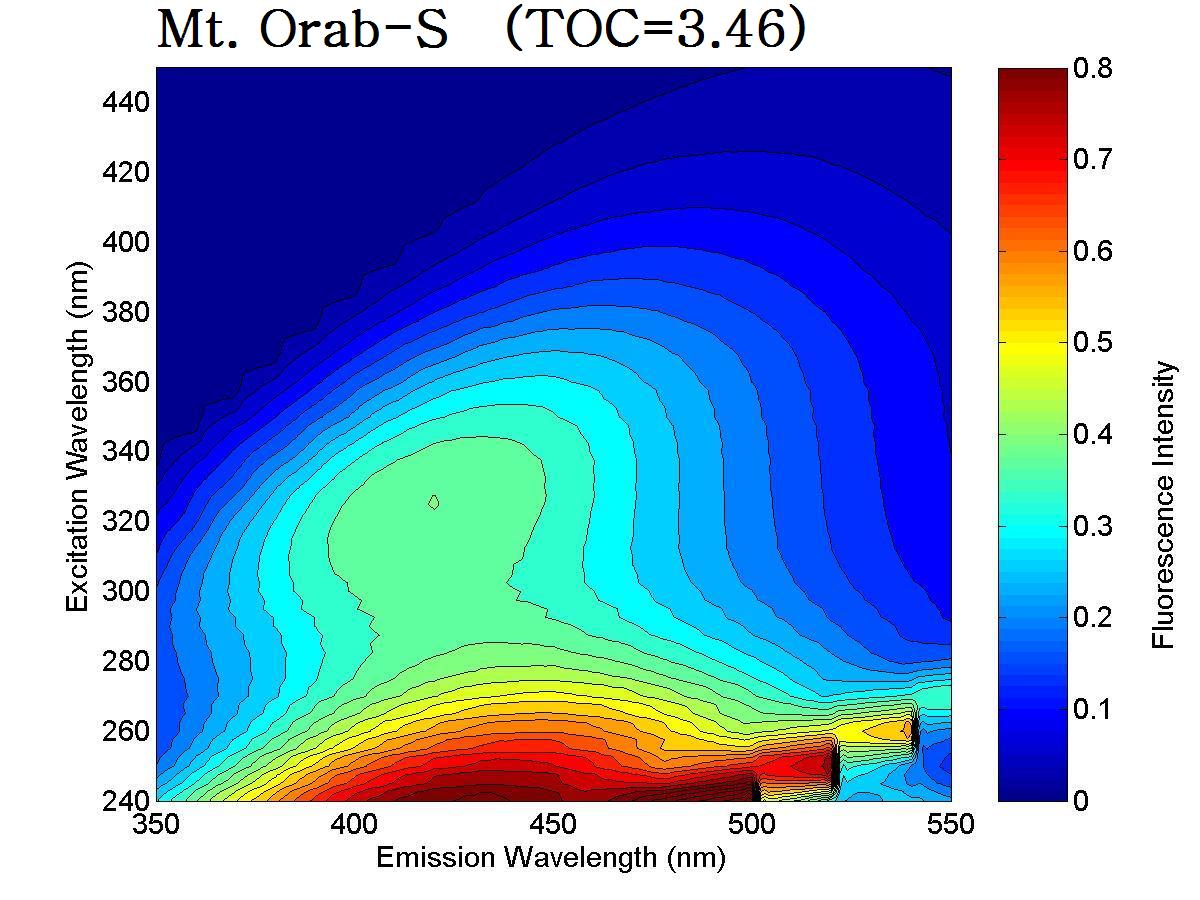
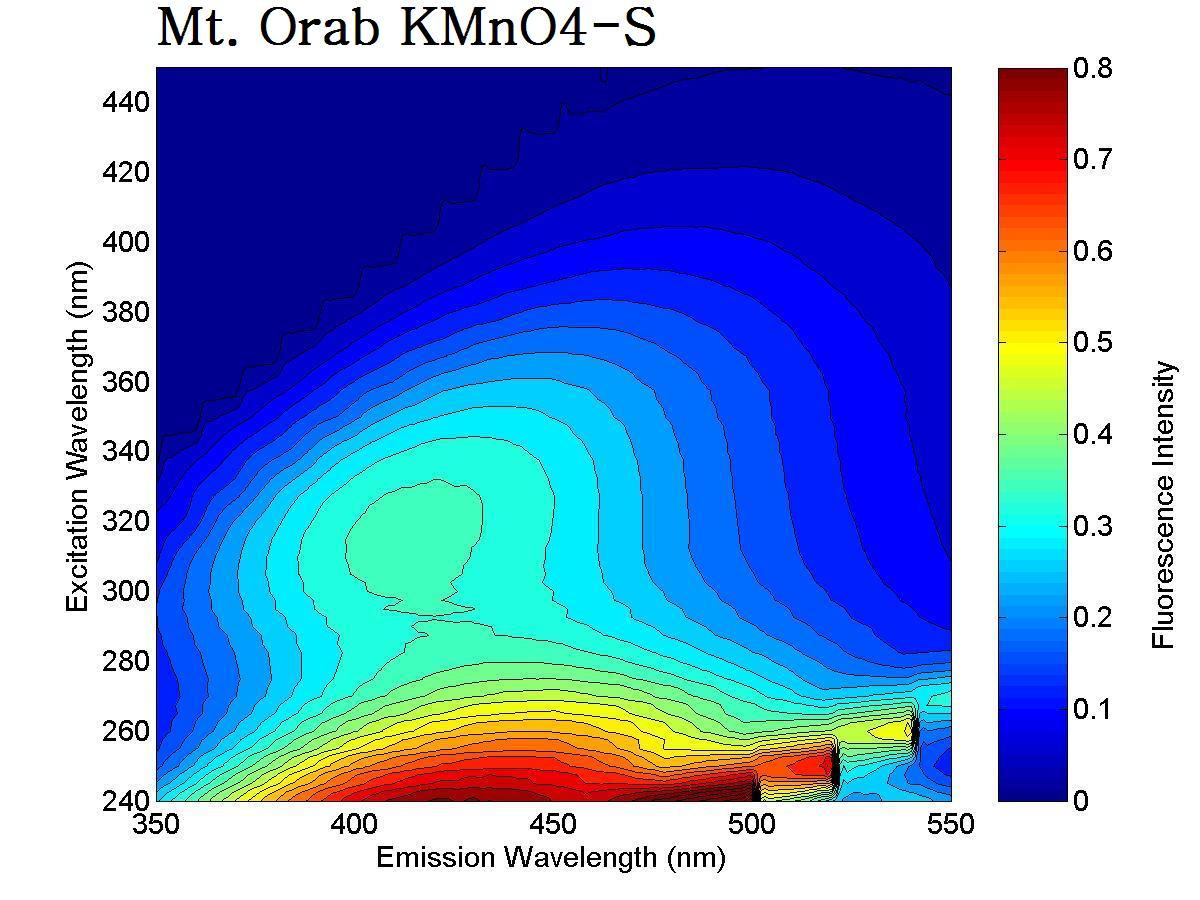
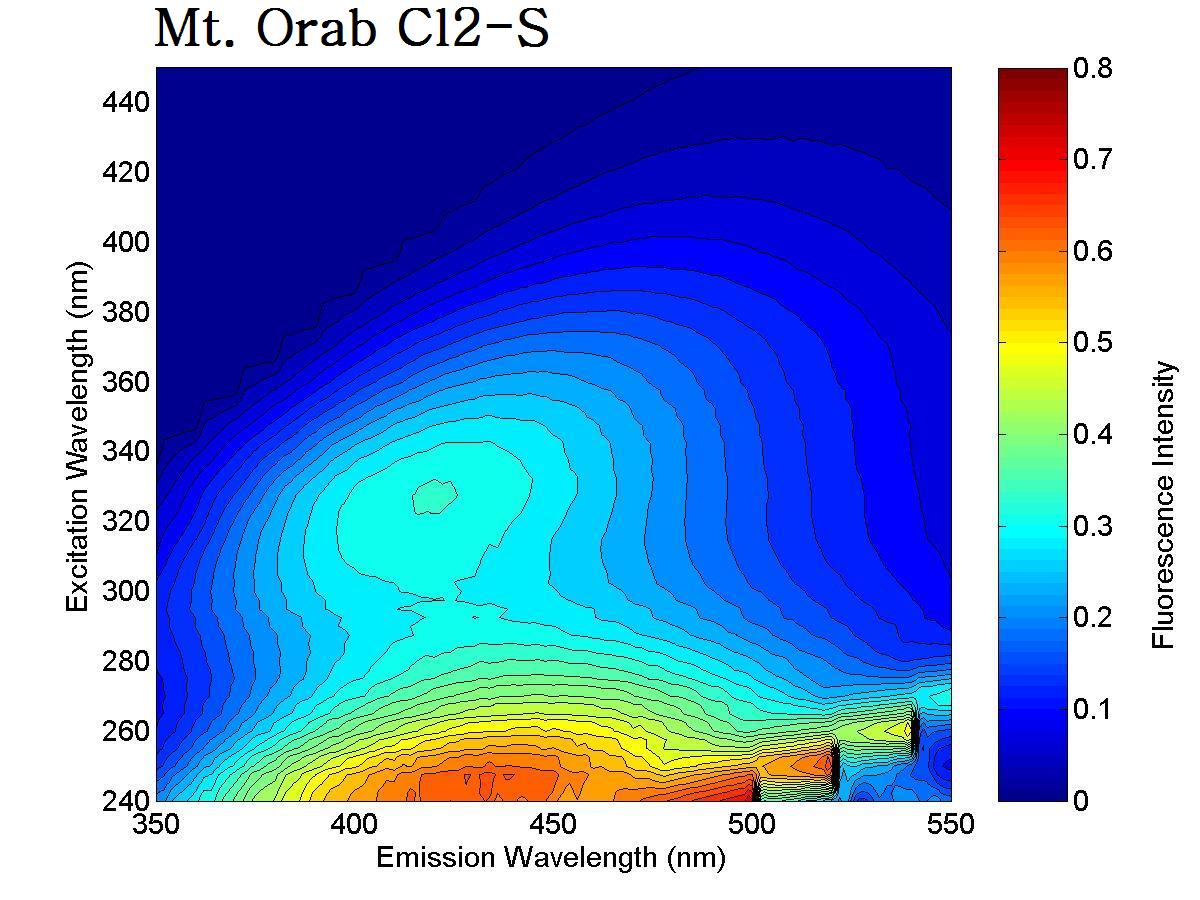
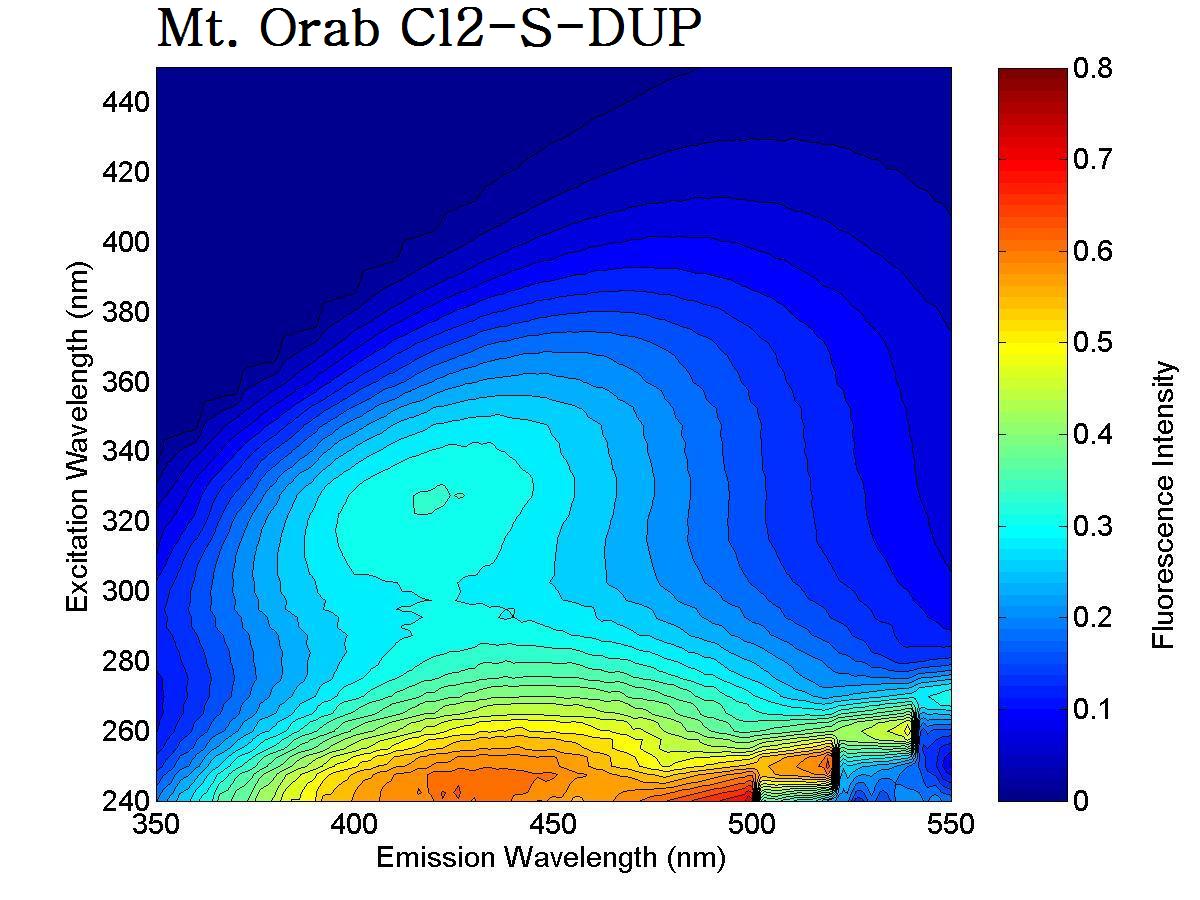
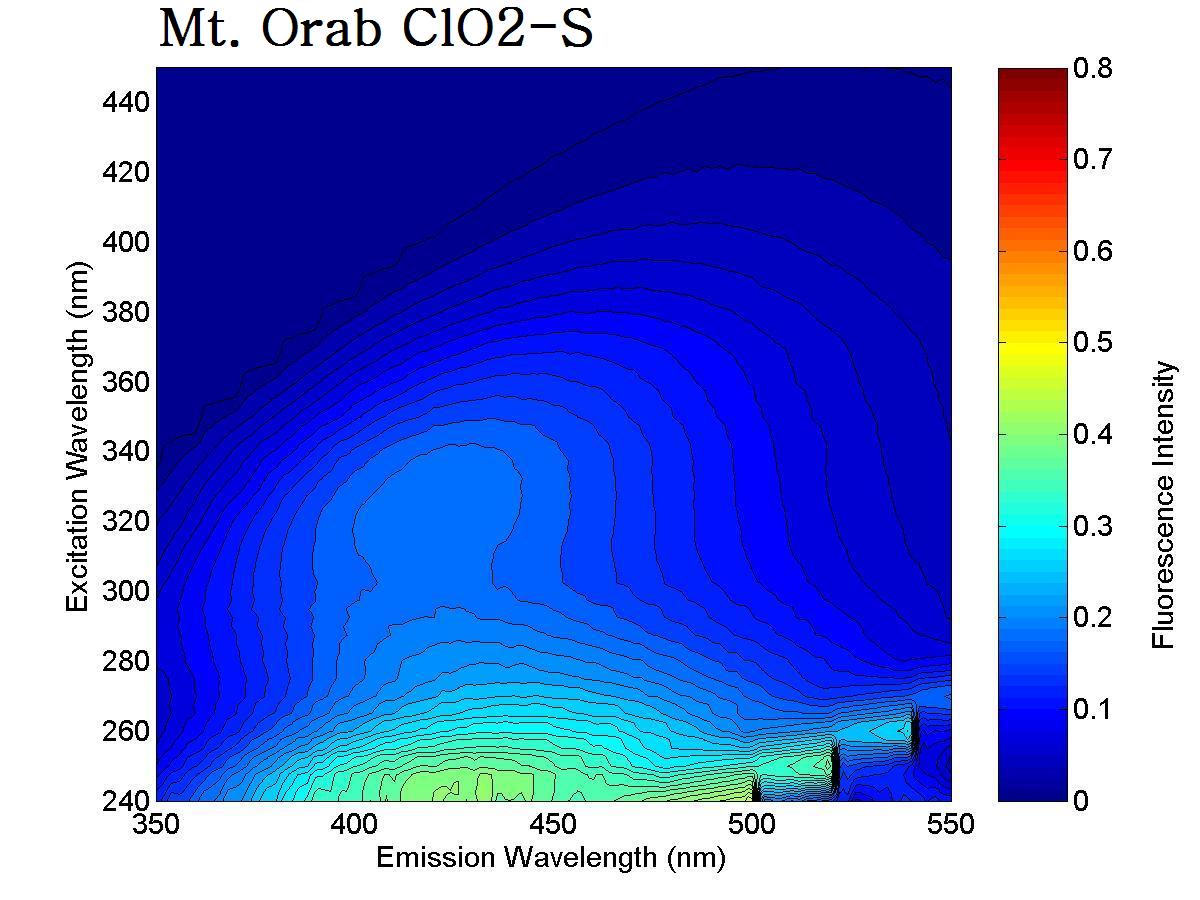
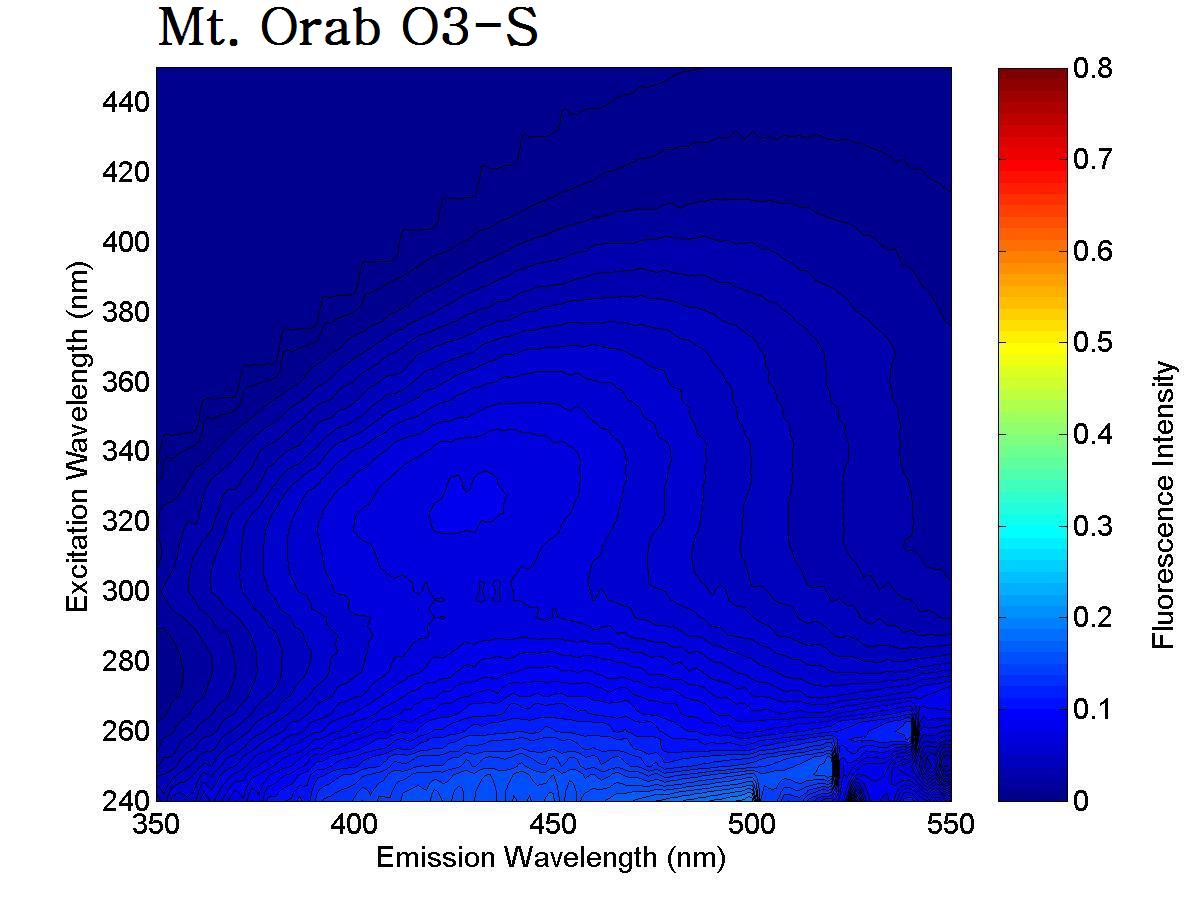
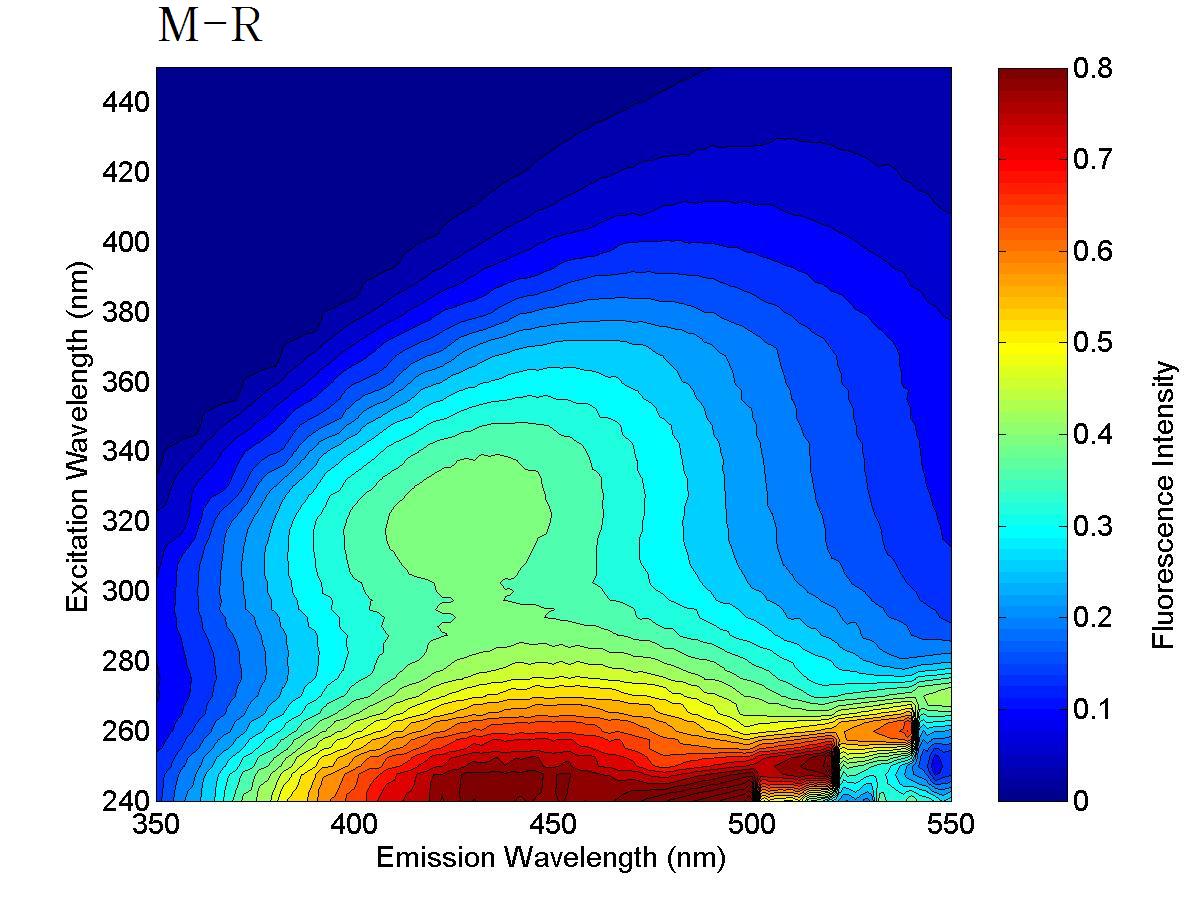
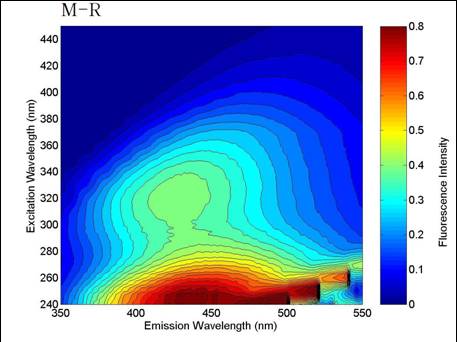
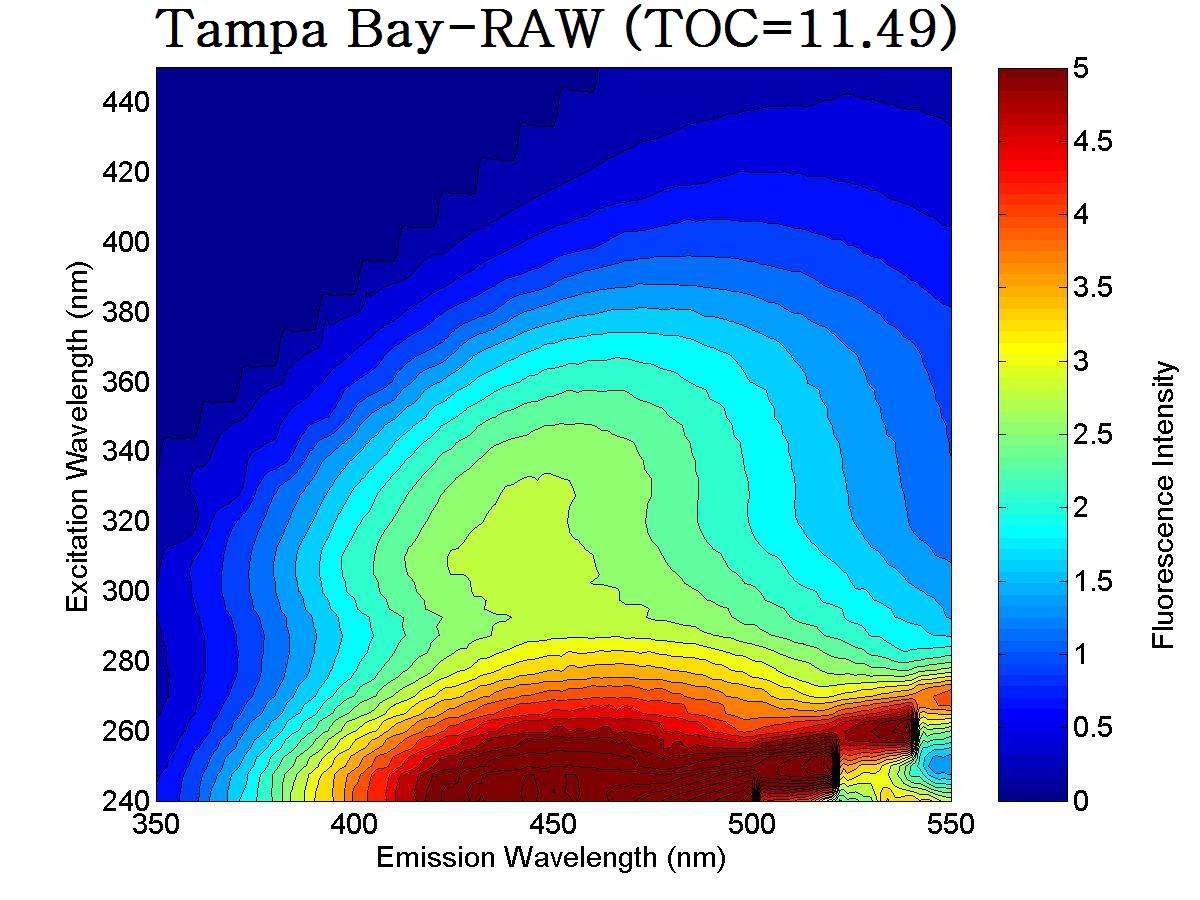
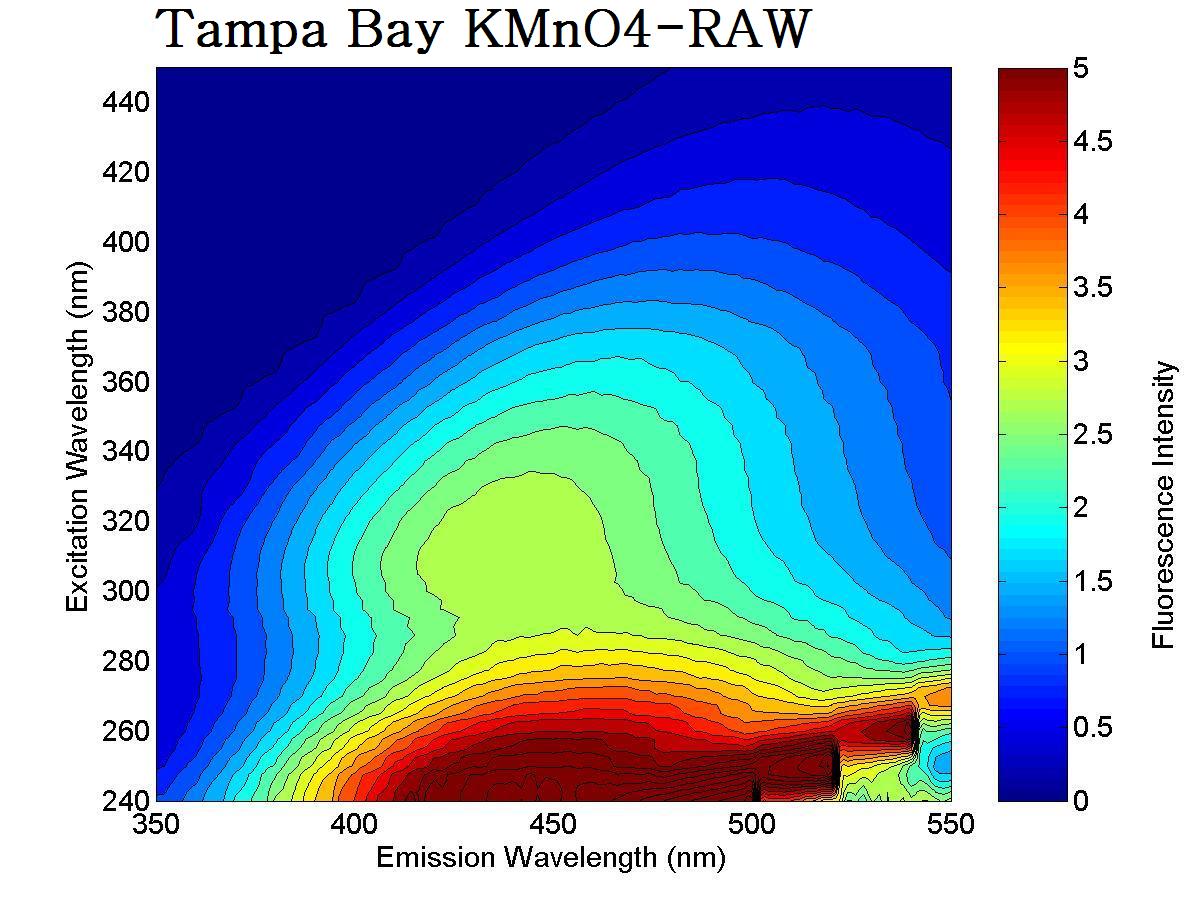
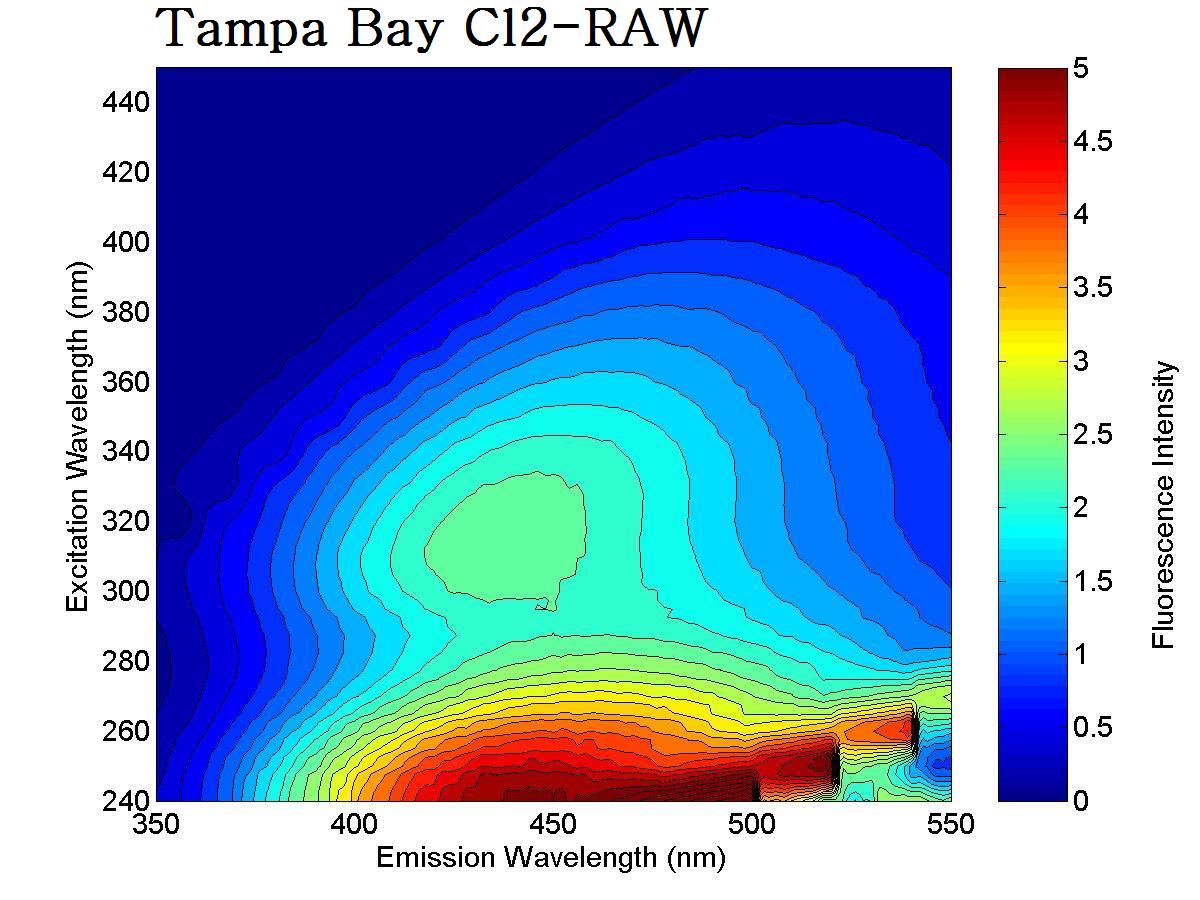
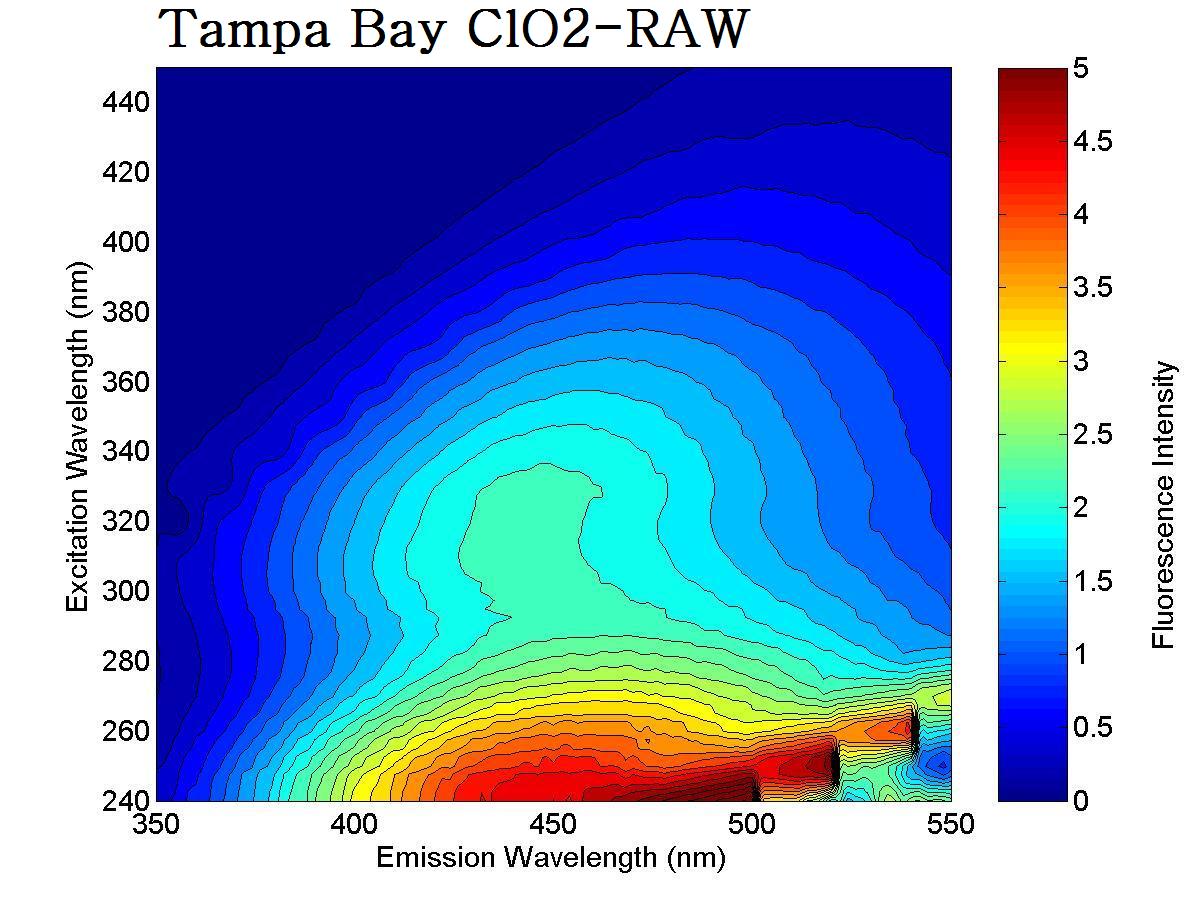
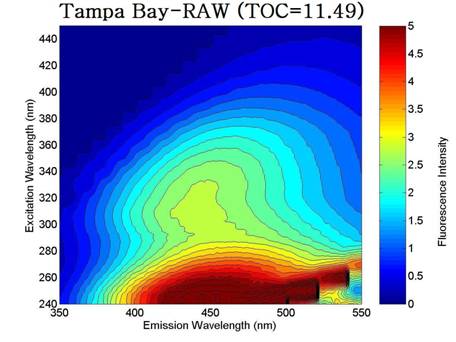
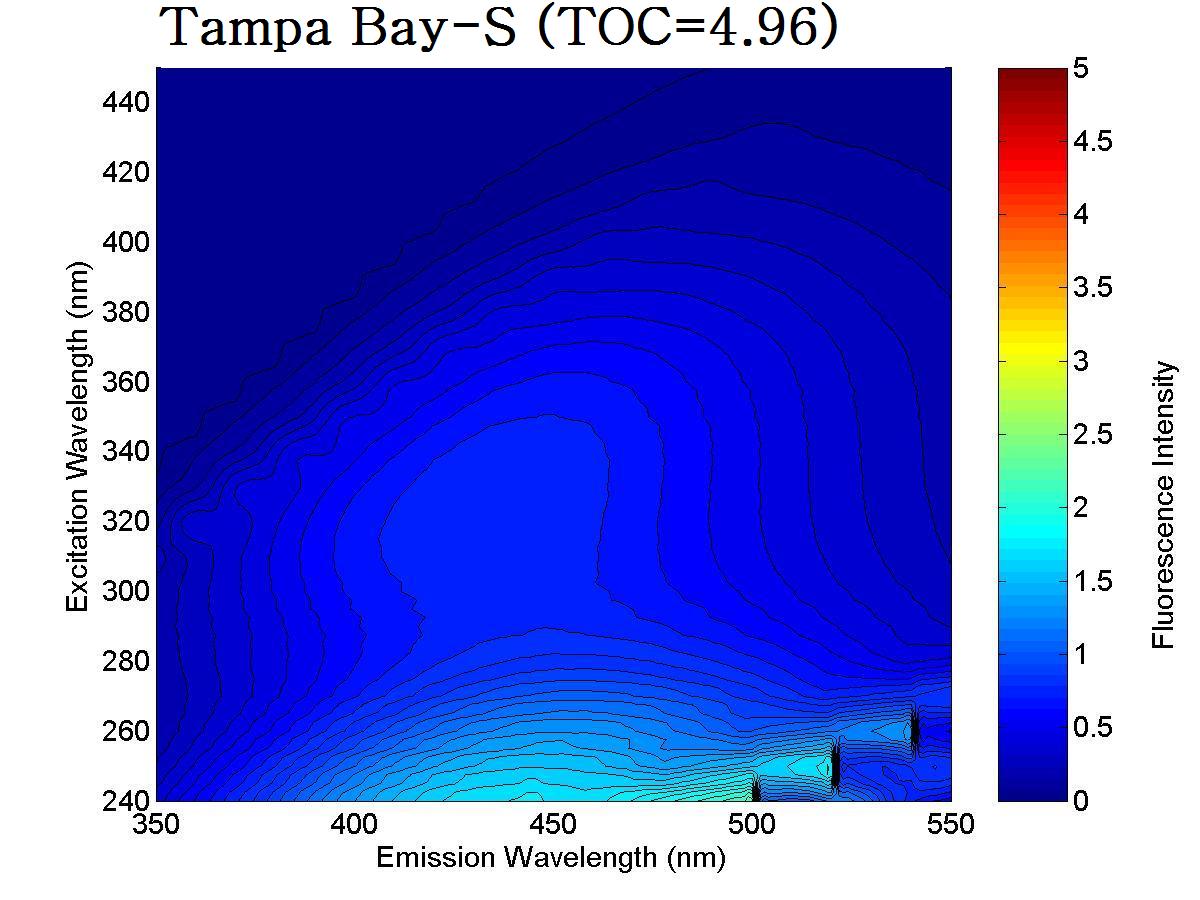
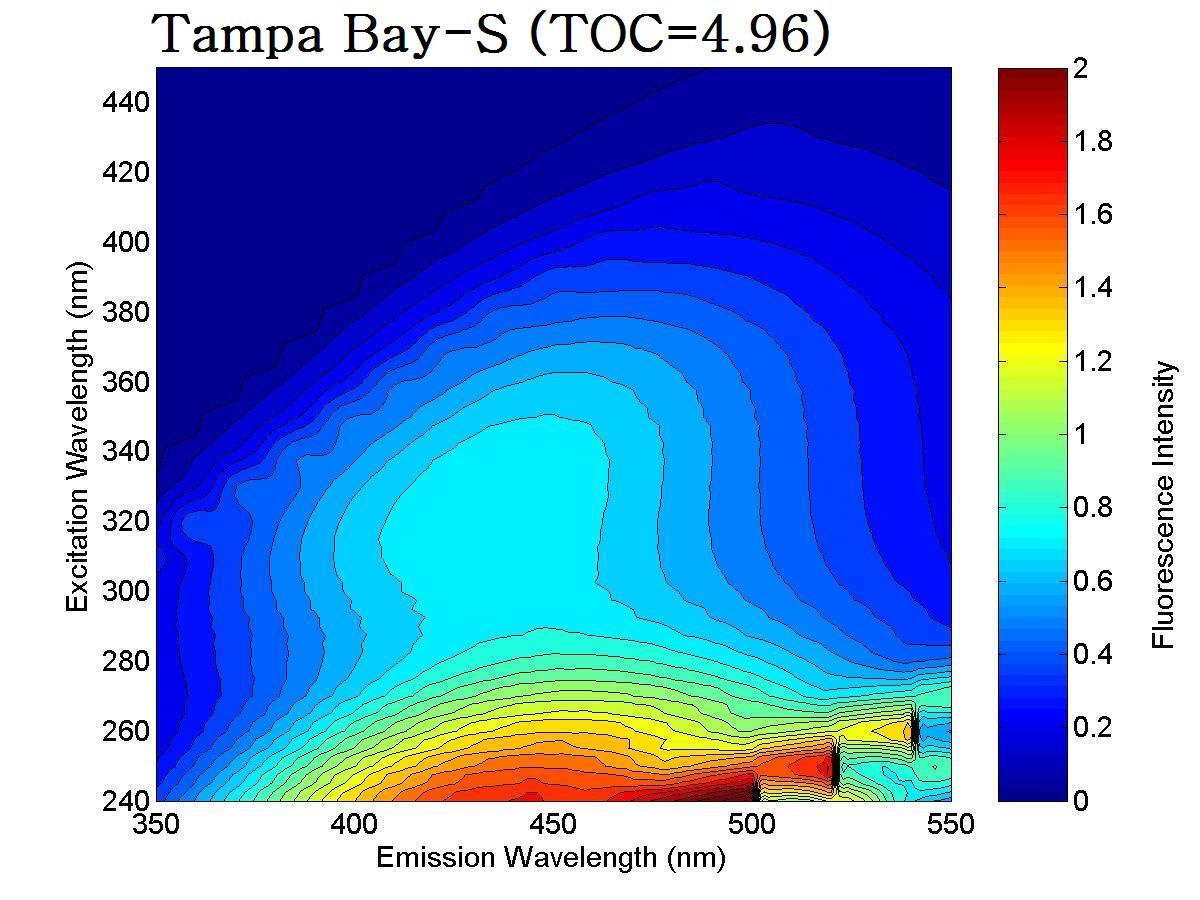
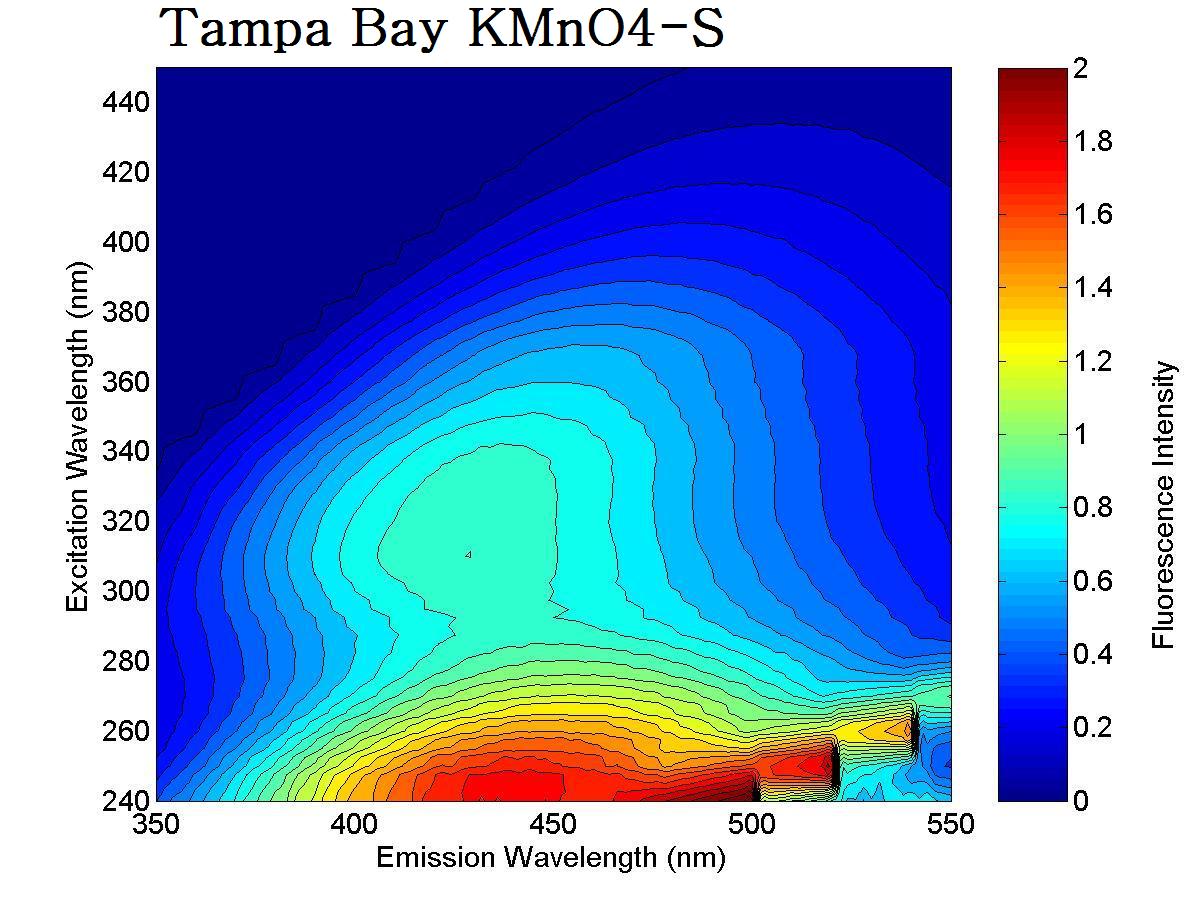
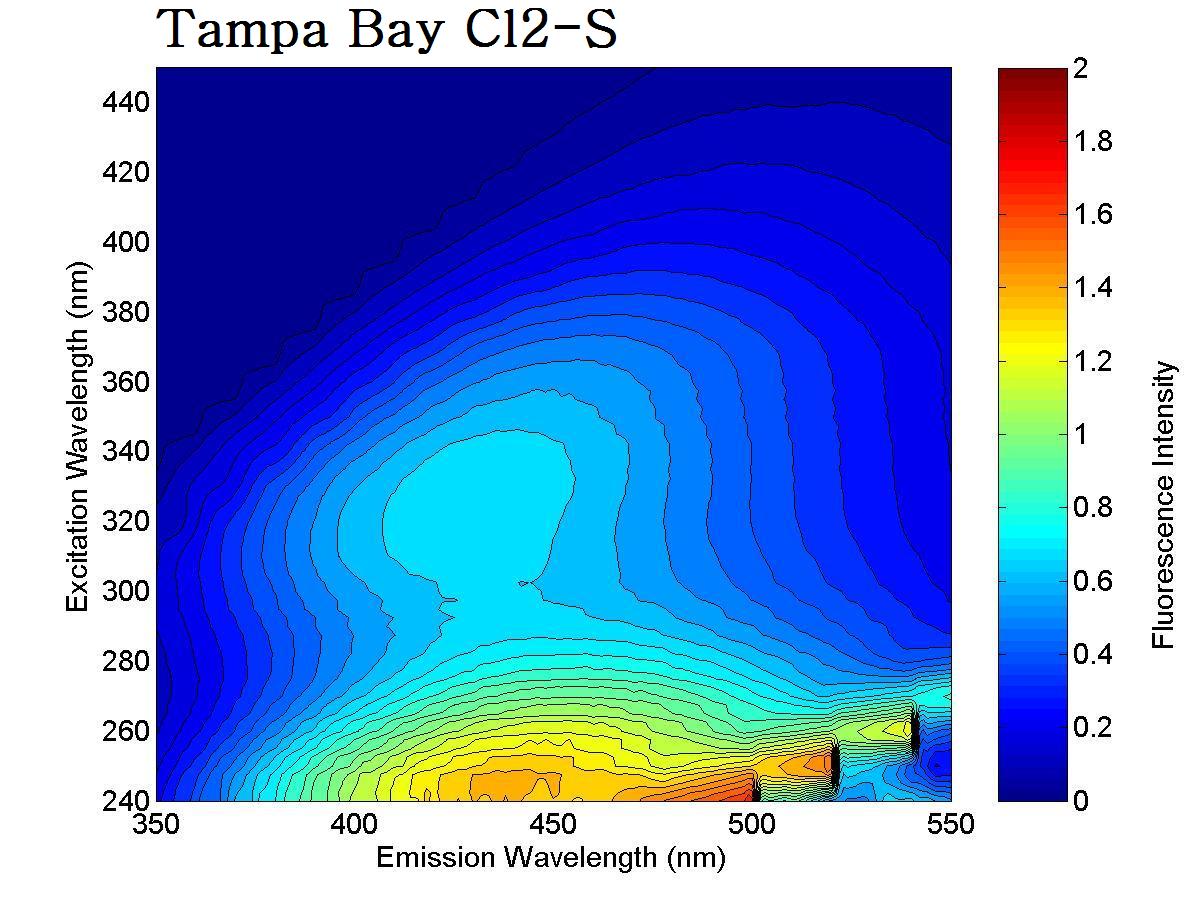
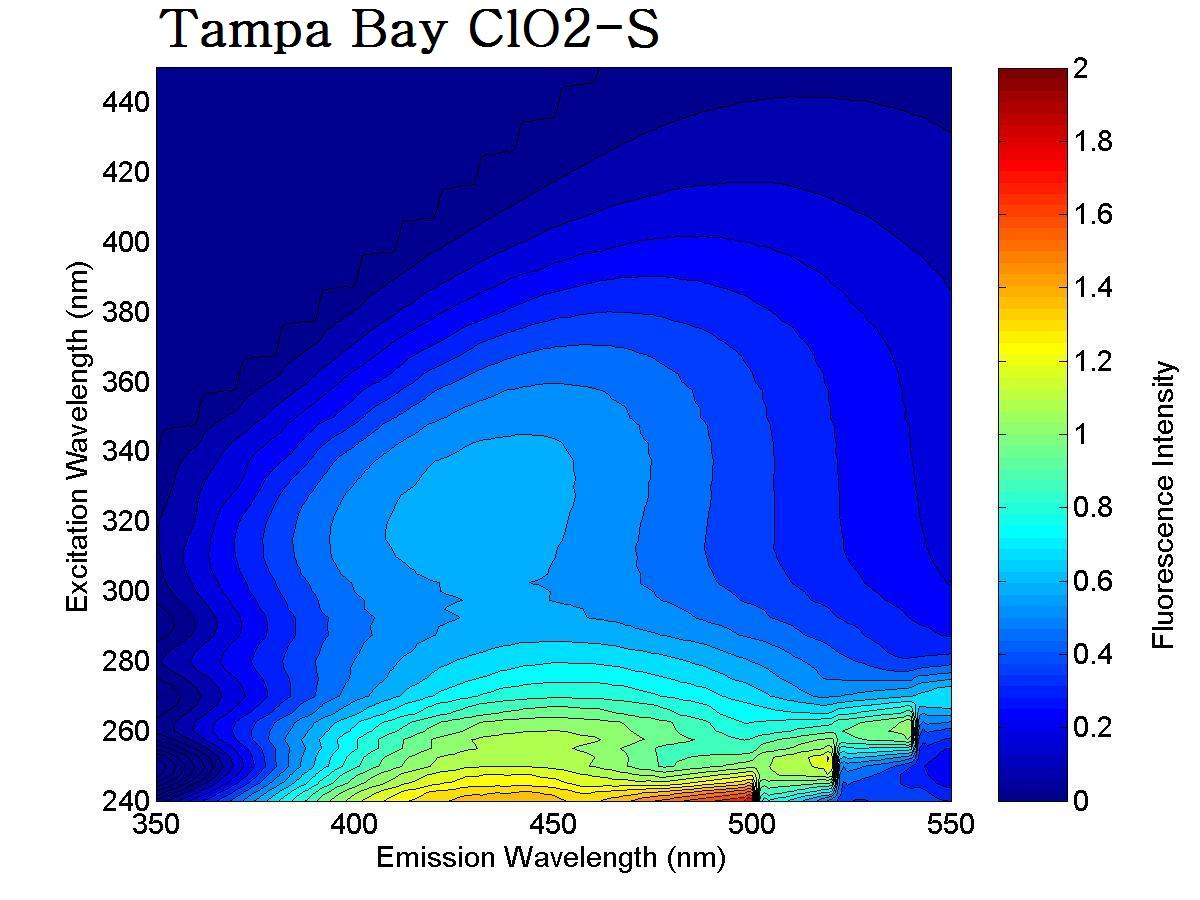
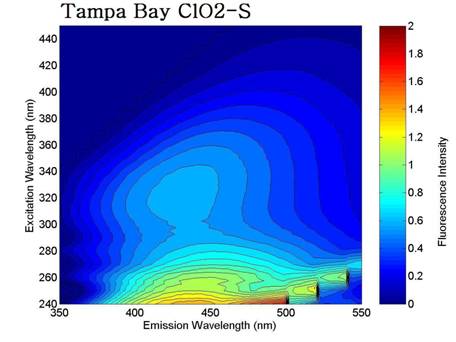
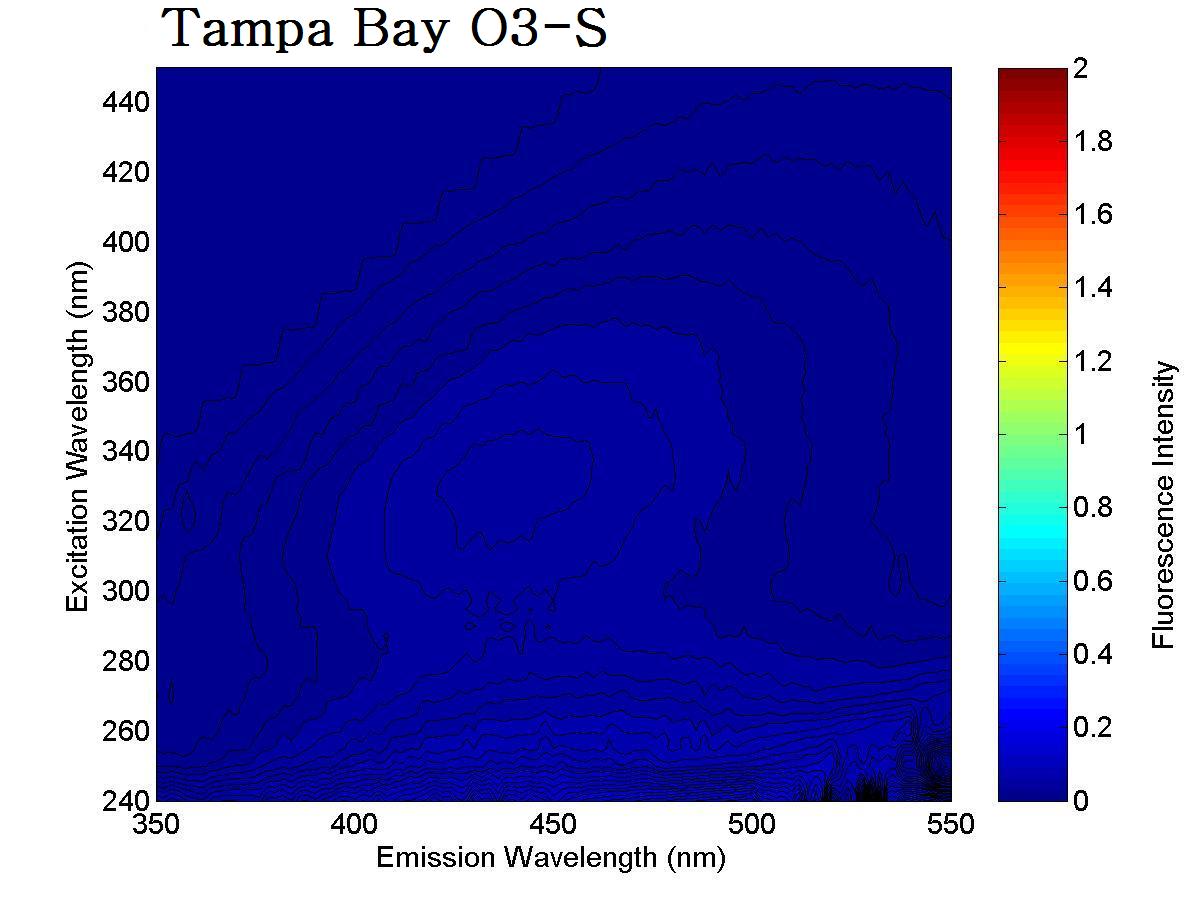
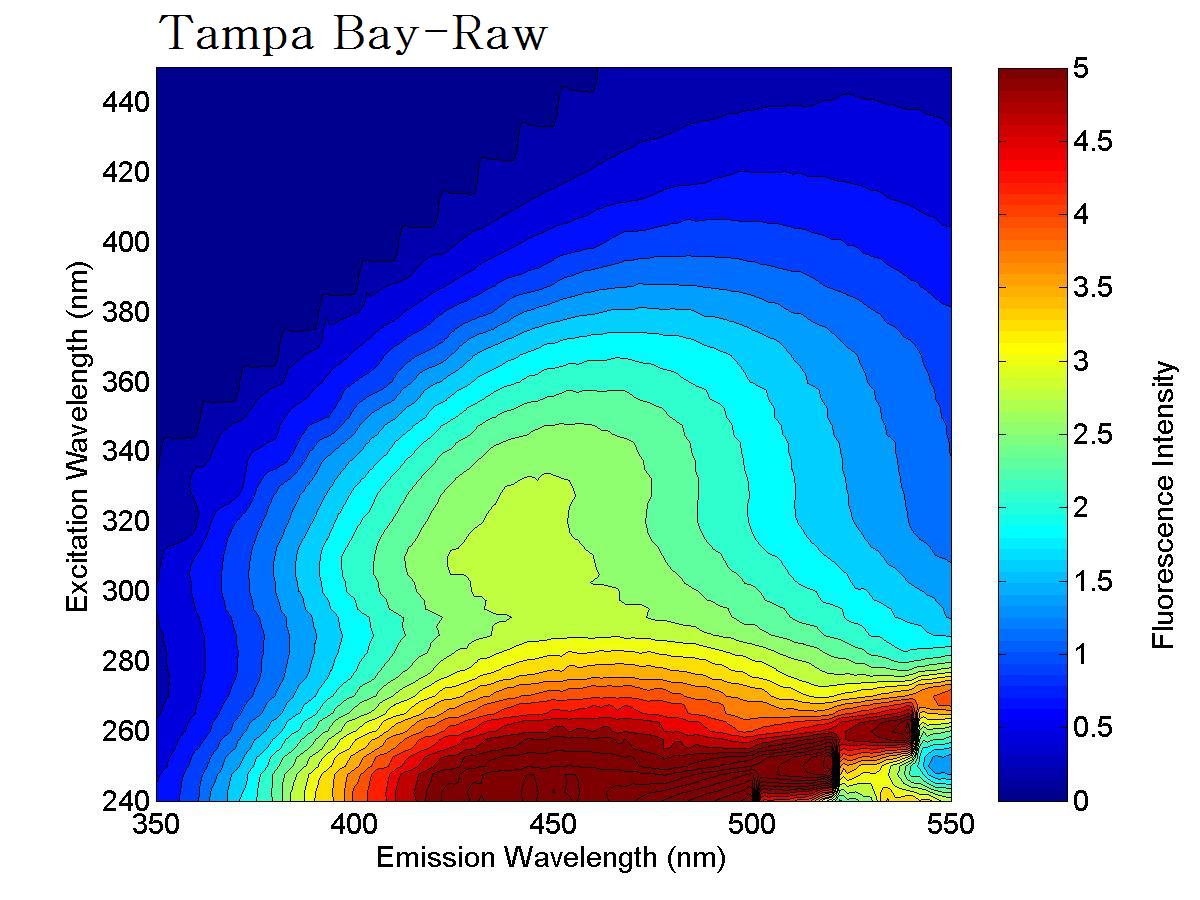
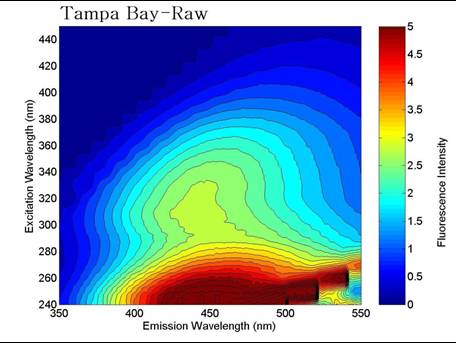
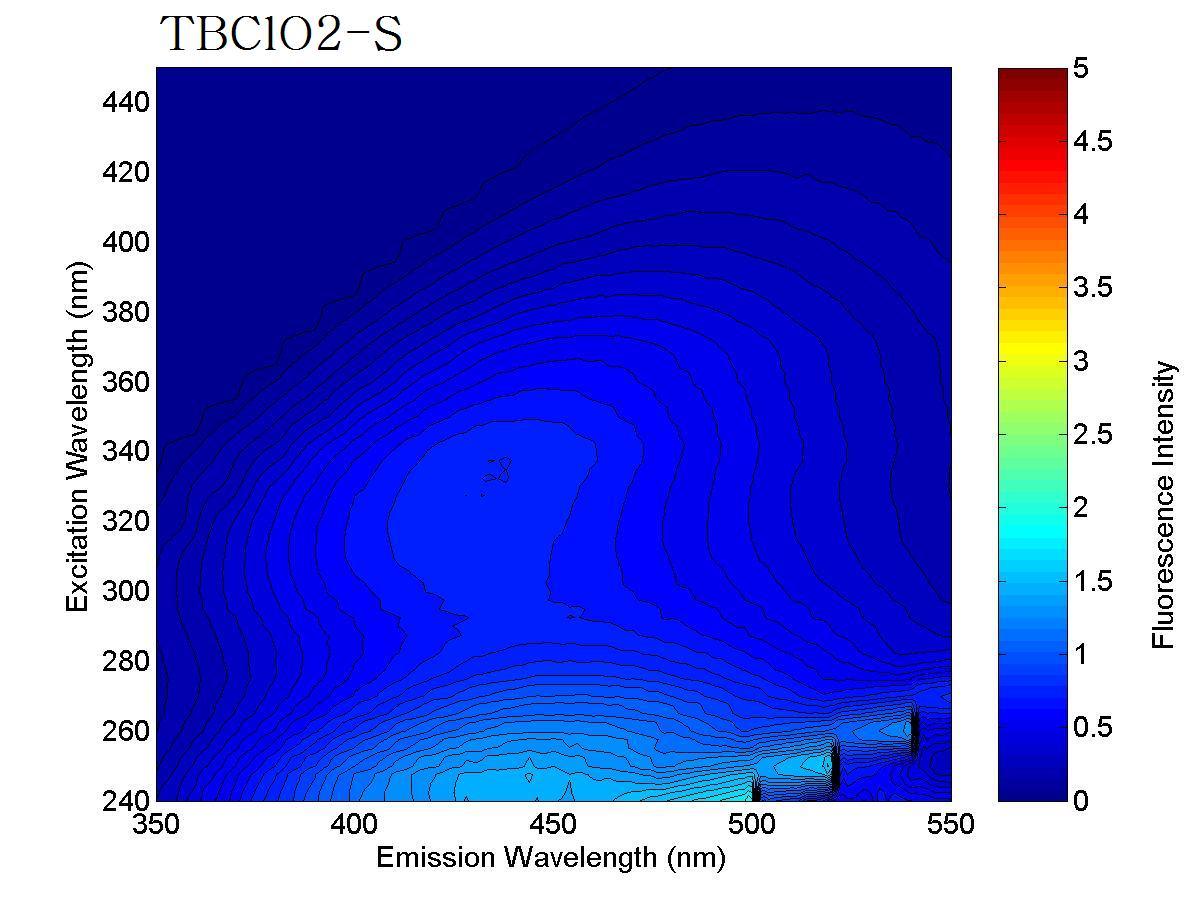
- All EEMs revealed two fluorophores, characteristic of fulvic acids.
Occurring within ~425-450 nm emission spectra (depending on oxidation)
- According to literature review, microbial derived NOM has lower emission
maxima than terrestrial.
|
|
15
|
|
|
16
|
|
|
17
|
|
|
18
|
|
|
19
|
|
|
20
|
|
|
21
|
|
|
22
|
|
|
23
|
|
|
24
|
|
|
25
|
|
|
26
|
|
|
27
|
|
|
28
|
|
|
29
|
|
|
30
|
|
|
31
|
|
|
32
|
|
|
33
|
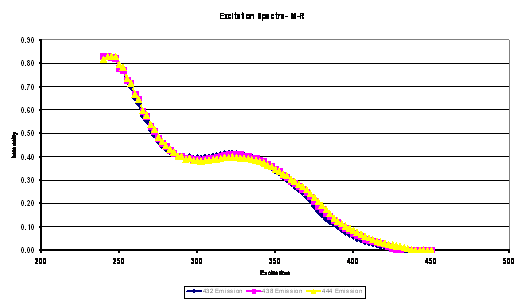
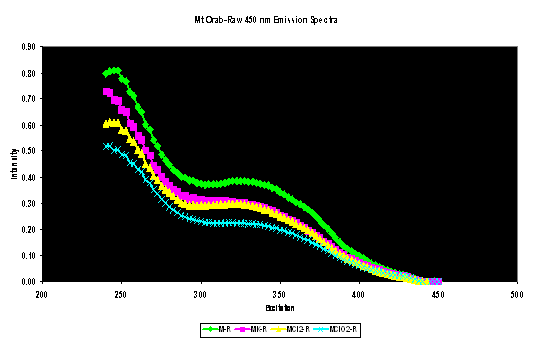
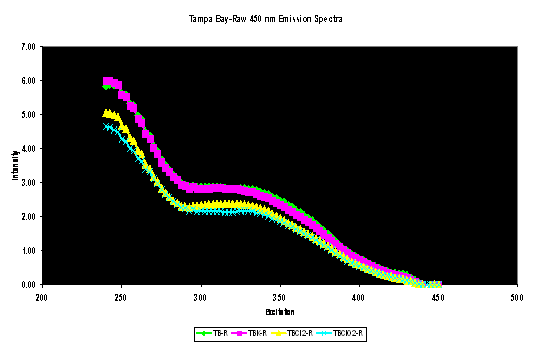
- Discernable order in oxidative effects on fluorescence
- Ozone-Best (‘Knocked the Snot out of it’)
- ClO2- Very Good
- Cl2- Good
- KMnO4-Not as great as the rest
- Coagulation/Sedimentation played substantial role in NOM removal.
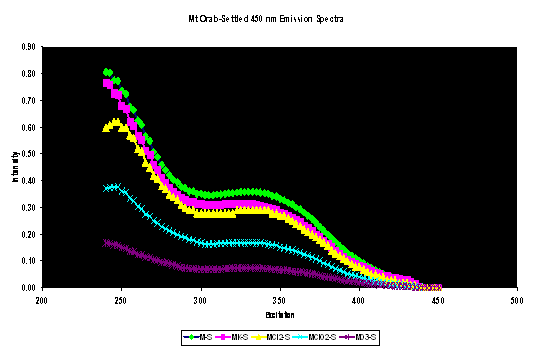
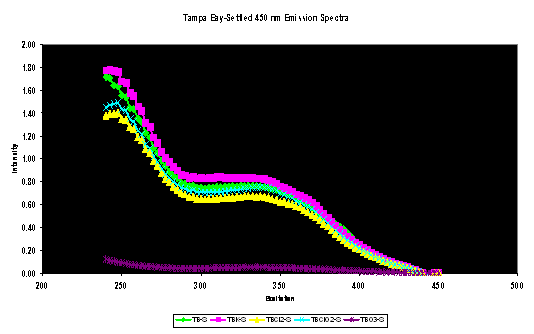
- Same order observed in Settled water samples
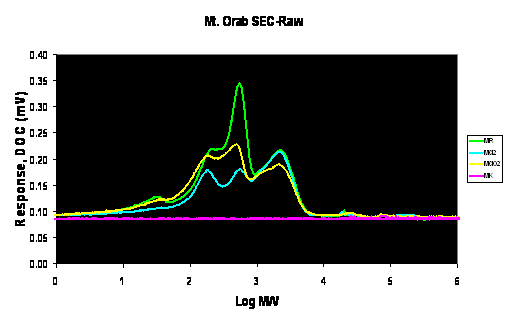
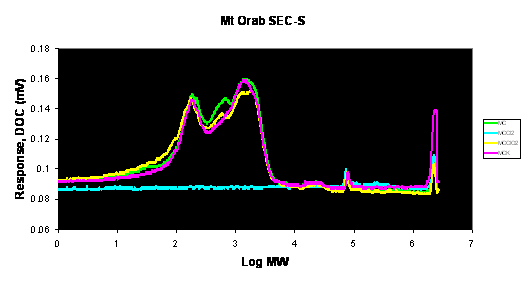
- SEC is a less sensitive measure of oxidative effects.
|
|
34
|
|
|
35
|
|
|
36
|
|
|
37
|
|
|
38
|
|
|
39
|
- What about Ultraviolet spectroscopy?
|
|
40
|
|
|
41
|
|
|
42
|
|
|
43
|
|
|
44
|
|
|
45
|
|
|
46
|
|
|
47
|
|
|
48
|
|
|
49
|
|
|
50
|
|
|
51
|
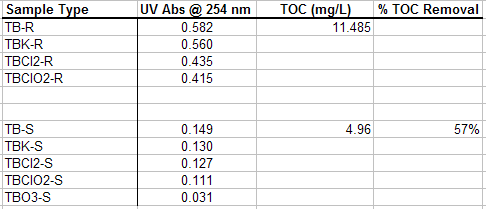
- Same patternized order of oxidation observed
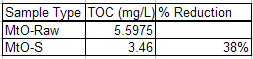
- Coagulation/Flocculation removed greater percentage of TOC in TB matrix
- Small difference in fluorophore emission in KMnO4 sample compared to no
oxidant
|
|
52
|
- Coagulation/Flocculation/Sedimentation removed a substantial amount of
NOM seen in SEC, UV and Fluorescence results
- Implication for moving point of disinfectant/oxidant in water treatment
- NOM availability during treatment process
- Dosing oxidants at post-sedimentation yielded enhanced oxidation of NOM
- Greatest reduction fluorescence seen in ClO2 and O3
|
|
53
|
|
|
54
|
- Preliminary data suggests that SEC may be problematic for correlation to
Fluorescence EEM.
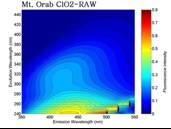
- Eluent, mass balance, hydrophobic interactions, lag. (Mt. Orab)
- Preliminary data also suggests that UV can serve a good oxidative
monitoring instrument. Detects all doubles bonds, not as selective.
- Pilot run
|
|
55
|
- Peak signatures are not fully understood and identified.
- Need to differentiate b/w humic and nonhumic cpds.
- The identification of functional groups of NOM can help better
understand the transformation NOM oxidation undergoes.
- Quantification of remaining NOM, transformed NOM/DPB yield needs to be
addressed.
|

 Notes
Notes